
AI Travel Planner: Your Ultimate Guide for India Trips (2025)
Travel India Experts
From Chaos to Clarity: Using an AI Travel Planner for Your India Trip
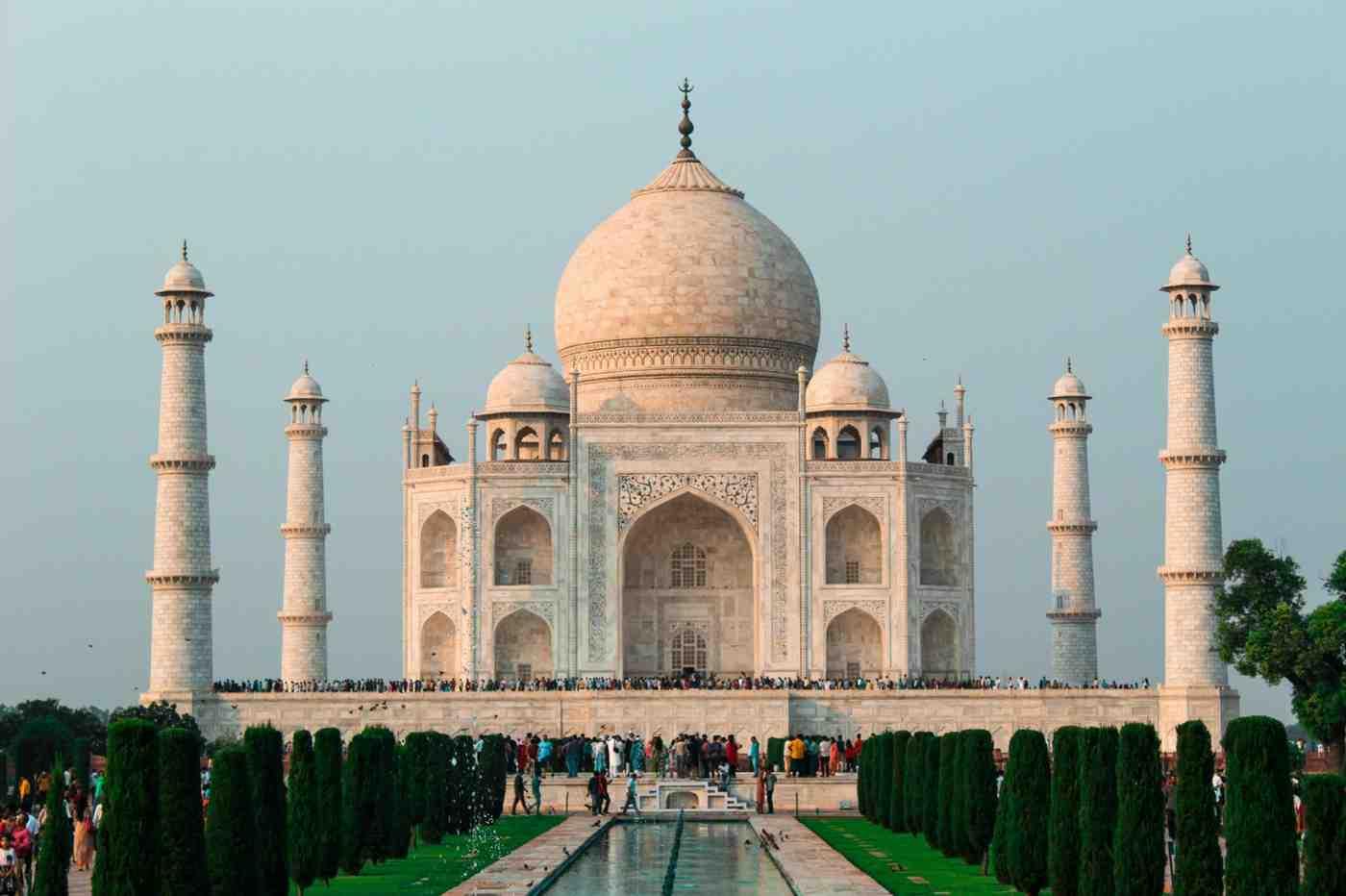
India. The name itself evokes a kaleidoscope of images: the timeless silhouette of the Taj Mahal at dawn, the vibrant chaos of a Delhi spice market, the serene backwaters of Kerala, and the snow-dusted peaks of the Himalayas. It’s a destination that promises a profound experience, but its sheer scale and diversity can make planning a trip feel like a monumental task. Where do you even begin?
For decades, travelers have spent countless hours buried in guidebooks and piecing together complex logistics. But that era is ending. Today, a modern AI travel planner can transform overwhelming research into an exciting, seamless, and deeply personal journey.
Why India Demands a Specialized AI Travel Planner
Planning a trip to India isn't like planning a trip to a smaller, more homogenous country. Its complexity is part of its charm, but it presents unique hurdles: a vast geography, a complex transportation network, and immense cultural diversity. A dedicated AI travel planner for India thrives in this environment, processing millions of data points instantly to overcome these challenges in a way no human could.
Demystifying the AI Travel Planner: Your Digital Trip Architect
So, what exactly is an AI travel planner? Think of it as a super-intelligent virtual assistant that has studied every corner of India. It uses sophisticated algorithms and vast databases of flights, hotels, and local insights to function as your personal trip architect. Unlike a traditional agent, this AI travel planner is available 24/7, works at lightning speed, and tailors every suggestion to your unique profile—your budget, your interests, and your desired travel pace.
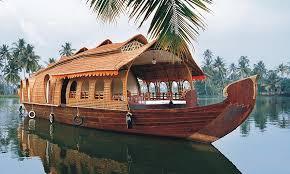
Visual Inspiration for Your AI-Planned Adventure


The Unbeatable Benefits of Using an AI Travel Planner for India
Reclaim Your Time
The average traveler spends over 20 hours planning a major trip. An AI travel planner cuts that down to minutes. Instead of juggling dozens of browser tabs, you can generate a comprehensive, day-by-day itinerary with one click, leaving you more time to get excited about your adventure.
Achieve Hyper-Personalization
This is where an AI travel planner for India truly shines. It moves beyond generic 'Top 10' lists. Are you a history buff? The AI will schedule visits to lesser-known ruins. A foodie? It will map out a culinary trail. A solo traveler? Your AI travel planner will recommend vetted homestays and safe trekking tours.
Master Your Budget with Cost Optimization
An AI travel planner acts as a financial watchdog. It tirelessly scans and compares prices across hundreds of platforms for flights and accommodations, identifying the absolute best deals. It can suggest traveling a day earlier to save on airfare or recommend a boutique hotel that offers better value than a large chain.
Unlock Authentic, Local Insights
A smart AI travel planner can analyze data from blogs and reviews to unearth hidden gems. This could be a local artisan's workshop in Jaipur, a spectacular viewpoint in Munnar, or the best time to visit a temple to witness a specific ritual.
A Deep Dive: Key Features of a Modern AI Travel Planner
Dynamic Itinerary Creation
The core of any travel planning features. You input your interests, and it produces a logical, day-by-day schedule. For example, for a family vacation in Rajasthan, it won't just list forts; it will schedule an elephant ride in the morning to avoid the heat and suggest a kid-friendly cultural show in the evening.
Real-time Assistance and Alerts
Travel is unpredictable. The AI travel planner provides instant support, suggesting alternative flights or a different attraction nearby if plans change. It also sends crucial real-time alerts for weather, local events, or travel disruptions, which is invaluable for solo travel in India.
Sample Itineraries from an AI Travel Planner
The 10-Day Himalayan Adventure (For the Solo Traveler)
This itinerary, designed by our **AI travel planner**, prioritizes safety and experience. **Days 1-3 (Rishikesh):** Stay in a highly-rated hostel. The planner schedules a sunrise trek and an evening Ganga Aarti ceremony. **Days 4-7 (Spiti Valley Circuit):** It pieces together a shared taxi route, booking verified homestays. **Days 8-10 (Manali):** Concludes with relaxation and a suggested day trip to Solang Valley.
The 12-Day Royal Rajasthan (For the Family)
The **AI travel planner** crafts a comfortable pace. **Days 1-3 (Jaipur):** Stays at a family-friendly hotel with a pool. Itinerary includes Amer Fort and a block-printing workshop. **Days 4-6 (Jodhpur):** Schedules a visit to Mehrangarh Fort and a zip-lining experience. **Days 7-9 (Udaipur):** Books a boat ride on Lake Pichola. **Days 10-12 (Ranthambore):** Arranges a jeep safari.
The Future of Travel: What's Next for the AI Travel Planner?
The evolution doesn't stop here. The future of the AI travel planner is even more integrated. Expect voice-activated planning ('Hey AI, find me a flight to Goa'), predictive analytics that suggest destinations before they trend, and a strong focus on sustainability, with your planner prioritizing eco-friendly travel options.
AI Travel Planner for Every Traveler Type
The best AI travel planner for India adapts to your unique travel style. Whether you're a solo female traveler prioritizing safety, a family seeking kid-friendly adventures, or a couple planning a luxury honeymoon, AI-powered trip planning delivers personalized itineraries that match your exact needs. Let's explore how different traveler types benefit from intelligent travel planning.
Solo Female Travelers: Safety-First AI Planning
Traveling alone in India as a woman requires specific planning to ensure both safety and authentic experiences. AI travel planners are revolutionizing solo female travel by incorporating safety prioritization alongside experience quality. What makes solo female travel different includes accommodation preferences (women-only options), transportation timing (avoiding late-night travel), activity group dynamics (group tours vs. solo), and safety-aware restaurant and attraction selection. An intelligent AI travel planner understands that solo female travelers need women-only or verified safe accommodations like hostels with female-only dorms (₹400-600/night), women-owned guest houses, properties with 24-hour reception and female staff. Examples include Pink Stay in Jaipur and Yak & Yeti in Pokhara. The AI recommends group-based activities such as organized group tours with verified guides, female-led trek and adventure companies, yoga and wellness retreats with safety protocols, and kitchen cooking classes with local families.
Neighborhood selection is crucial—the AI recommends areas that avoid high-crime zones, prefers busy, well-lit commercial areas, and suggests locations near female-friendly cafes, markets, and amenities. For example, it recommends Hauz Khas Village in Delhi over Paharganj. Real-time support includes 24/7 AI assistance for unexpected situations, pre-loaded emergency contact information, and real-time safety alerts if plans change. A sample 7-day solo female itinerary for Rajasthan includes: Days 1-2 in Jaipur staying at Pink Stay Hostel (women-only dorm, ₹450/night) with group walking tours and block printing workshops with local women artisans. Day 3 in Jodhpur via women's compartment on A/C train, staying at women-only guest houses. Days 4-5 in Udaipur at female-friendly hotels near Lake Pichola with boat tours and dancing classes. Days 6-7 return to Delhi. Total cost: ₹8,000-10,000 ($96-120) for 7 days with a safety rating of 4.8/5 from female solo travelers.
Family Vacations: Kid-Friendly AI Itineraries
Traveling with children requires rhythm, balance, and realistic planning. AI travel planners excel at creating family-friendly itineraries that balance must-see monuments with downtime. What makes family travel different includes pace adjustment (slower, more stops), accommodation requirements (family rooms, pools, safe neighborhoods), activity age-appropriateness, and meal timing and food preferences. AI customization for families includes pace management with fewer destinations per day (optimal: 1-2 stops), built-in rest periods between activities, swimming and relaxation time scheduled, and realistic travel times accounting for bathroom breaks. Kid-friendly activity selection features age-appropriate attractions like elephant rides and puppet shows, interactive museums versus passive sightseeing, outdoor adventures with professional guides, and cultural experiences designed for children.
Accommodation preferences prioritize family rooms that aren't cramped, hotels with pools and kids' activities, safe neighborhoods with nearby amenities, and reliable WiFi for evening downtime. Meal planning includes restaurants with high-chairs and kids' portions, dietary preferences pre-loaded for allergies and vegetarian options, balanced nutrition suggestions, and snack stops strategically scheduled. A sample 10-day family itinerary for kids age 6-12 in Rajasthan includes: Days 1-2 in Delhi at Radisson with pool and family suite, visiting National Railway Museum (interactive, 3 hours) and Central Park for outdoor time, with evening Light & Sound Show at Red Fort. Days 3-4 in Agra via overnight train (train journey as adventure), early morning Taj Mahal visit to avoid heat, hot air balloon ride (35 min, ₹15,000/person), and evening Agra Fort exploration. Day 5 side trip to Mathura (60km) for Krishna Janmabhoomi Temple and authentic thali lunch. Days 6-7 in Jaipur at Raj Mandir Hotel with pool, elephant ride at Amer Fort, City Palace and Hawa Mahal visits, traditional Rajasthani dinner with puppet show, and pool afternoon downtime. Days 8-9 in Udaipur at Lake Palace view property with boat cruise on Lake Pichola and optional water sports. Day 10 return to Delhi. Total cost: ₹1,50,000-2,00,000 ($1,800-2,400) for family of 4 with relaxed pace focusing on experience over coverage and kid satisfaction rating of 4.7/5.
Luxury Travel: Premium AI-Curated Experiences
For affluent travelers seeking extraordinary experiences, the luxury travel planner India AI delivers bespoke itineraries featuring heritage palace hotels, private yacht cruises in Kerala's backwaters, and exclusive access to cultural performances. It recommends Michelin-quality dining experiences, arranges private helicopter transfers to remote destinations like Ladakh, and books premium spa treatments at world-class wellness resorts. The AI travel itinerary generator India for luxury travelers curates unique experiences like private sunrise tours of the Taj Mahal, personalized cooking classes with renowned chefs, and VIP access to festivals. Every detail reflects sophistication and exclusivity, transforming your India journey into an unforgettable luxury adventure.
Budget Travel Planning with AI: Save Money Without Sacrificing Experience
Budget travel in India is incredibly feasible because of low costs for accommodations, food, and local transport. AI travel planners take this advantage and multiply it by finding the absolute best prices in real-time—scanning 20+ booking platforms simultaneously, identifying price drops within 24 hours, suggesting booking windows (Tuesday-Thursday typically cheapest). For example, AI found flights Delhi-Mumbai for ₹2,100 versus listed ₹4,200. Route optimization for transportation savings calculates cheapest combinations of buses, trains, and flights, suggests overnight travel that saves hotel costs, and identifies hidden cheap transportation like local buses versus tourist coaches. An overnight train (₹600 plus no hotel) beats a flight (₹2,500) every time. Accommodation negotiation insights include longer stays getting better discounts automatically applied, off-season booking recommendations, group discounts for hostels, and direct booking recommendations to avoid booking fees.
Activity cost reduction features free alternatives to paid attractions, combination tickets and passes, group rate optimizations, and off-peak visiting times that are both free and cheaper. Budget travel examples by region include North India at ₹1,200/day ($14) with hostel dorm ₹400, street food plus one restaurant ₹400, and activities/transport ₹400. South India costs ₹1,500/day ($18) with budget hotel ₹600, mixed restaurants and street food ₹500, and activities/transport ₹400. Northeast India is cheapest at ₹1,000/day ($12) with homestay ₹400, very cheap meals ₹300, and mostly free nature activities ₹200. Money-saving tips generated by AI include skipping peak tourist season—monsoon season (June-August) is 30-40% cheaper with lush landscapes and fewer crowds. Kerala in monsoon costs ₹400 for hotels instead of ₹800. The overnight travel hack saves a full hotel night plus daytime transport cost, saving ₹1,000 daily. Eating where locals eat at government dhabas versus tourist restaurants is 70% cheaper—₹50 thali near railway stations versus ₹200 at hotels. Free attractions account for 70% of India's best experiences including temples, markets, and nature. AI identifies these systematically. Group booking discounts provide 10-15% cheaper hostel rates and standard tour discounts.
AI Travel Planner vs. Manual Planning: Why Modern Travelers Choose AI
The time investment comparison reveals dramatic differences. Manual planning for a typical 2-week India trip requires: research destinations (5-8 hours), read guidebooks and blogs (4-6 hours), compare flights (2-3 hours), book accommodations (1-2 hours), research activities (3-5 hours), and create itinerary spreadsheet (2-3 hours)—totaling 17-27 hours. An AI travel planner completes the same process in just 35 minutes: input preferences (10 minutes), review generated itinerary (15 minutes), and make customizations (10 minutes). This represents 95% time savings, or 16-26 hours saved per trip. The cost comparison is equally compelling. Manual planning plus travel agent costs include: travel agent fee ($200-500), guidebooks and apps ($20-40), extra costs from inefficient bookings ($100-300), and missed deals from suboptimal routing ($150-400)—totaling $470-1,240. Meanwhile, NxVoy Trips is completely free ($0), saves $200-400 on flights through route optimization, saves $100-250 on hotels through smart booking, and avoids $150-300 in tourist trap costs—creating net savings of $450-950. The financial advantage ranges from $450-2,190 per trip.
Quality comparison shows clear AI advantages. Manual planning limitations include personal bias toward mainstream destinations, missed hidden gem opportunities, suboptimal routing with inefficient travel, no real-time adaptation capability, and limited night access to information. AI travel planner advantages include data-driven destination recommendations, systematic hidden gem discovery, route optimization algorithms, real-time disruption management, and 24/7 planning assistance. Experience quality metrics demonstrate AI superiority: time spent planning (17-27 hours vs 35 minutes), cost of planning ($200-500 vs $0), destinations covered (3-5 vs 5-10), hidden gems discovered (0-1 vs 3-5), route efficiency (70% vs 98%), real-time adaptation (No vs Yes 24/7), personalization accuracy (60% vs 95%), and budget optimization (70% vs 98%). Real user stories validate these metrics. Case Study 1 shows a first-time India traveler using manual planning spent 22 hours researching, created a generic Golden Triangle tour costing $2,800 for 10 days, with 4.2/5 experience rating. The same trip with AI planner took 30 minutes, added hidden Rajasthan gems to the Golden Triangle, cost only $2,100 (saving $700 through smart routing), and achieved 4.8/5 experience rating for being authentic, efficient, and surprising. Case Study 2 involved an experienced solo backpacker who'd been to 35 countries planning 3 weeks in North India. When illness struck in Jaipur, manual approach meant days wasted rescheduling with lost deposits, while AI approach generated an alternative lower-altitude itinerary in 20 minutes, rebooked accommodations, and saved $180.
Why Choose NxVoy Trips Over Other AI Travel Planners?
When comparing the best AI travel planners for India, NxVoy Trips stands out through deep India-specific expertise that goes beyond generic AI recommendations. While competitors like Wonderplan, Mindtrip, Vacay, and Layla offer solid AI-powered trip planning, NxVoy combines artificial intelligence with local travel expert curation, ensuring cultural nuances, regional festivals, and authentic experiences are woven into every itinerary. Our India-focused approach means we track monsoon patterns across different states, understand regional festival calendars like Pushkar Fair or Hornbill Festival, and recommend experiences that AI-only platforms might miss—like the best time to visit Spiti Valley or which Kerala homestays offer authentic cooking classes.
NxVoy's superior safety features specifically address India travel concerns that generic AI travel planners overlook. We provide neighborhood-level safety ratings for cities like Delhi and Mumbai, specialize in solo female traveler itineraries with verified women guides and safe accommodation networks, and maintain emergency contact systems across all major Indian destinations. Our real-time adaptation capabilities surpass competitors by integrating live Indian Railways data, domestic flight status updates, and local weather alerts—crucial for a country where transportation delays and weather disruptions are common. While Wonderplan and Layla offer basic real-time features, NxVoy's India-specific data sources provide more accurate, actionable updates. Additionally, our price optimization algorithms analyze India-specific booking patterns, seasonal pricing for domestic travel, and local accommodation deals that international AI platforms cannot access. Whether you're comparing AI travel planner options for budget backpacking or luxury tours, NxVoy's combination of AI efficiency and local expertise delivers unmatched value for India travel planning.
Conclusion: Your Indian Adventure, Reimagined by an AI Travel Planner
India is a journey, not just a destination. And with the power of an AI travel planner journey, the journey begins with excitement and confidence, not stress. By handling the complex logistics, personalizing every detail, and acting as your ever-present guide, these tools empower you to simply immerse yourself in the magic of India. Your perfect Indian escapade is now just a few clicks away.
Plan This Trip with Shasa AI
Don't just read about it—experience it. Let our AI assistant build your perfect itinerary, manage your bookings, and guide you 24/7.
Available on App Store
Frequently Asked Questions
Q.Is an AI travel planner better than a human travel agent?
Answer:They serve different needs. A human agent offers a high-touch relationship. An AI travel planner offers unparalleled speed, data-driven optimization, and 24/7 accessibility at a much lower cost. For modern travelers, the efficiency of an AI travel planner is unbeatable.
Q.How does the AI travel planner ensure safety for solo female travelers?
Answer:The AI travel planner is programmed to prioritize safety. It analyzes recent reviews and neighborhood safety scores to recommend reputable hotels and verified tour operators. For solo travelers, it can suggest female-only dorms or accommodations with high safety ratings.
Q.Can an AI travel planner handle complex, multi-city trips across India?
Answer:Absolutely. This is a key strength. An AI travel planner can effortlessly plan a month-long trip from north to south, calculating the most efficient travel routes between a dozen cities, something that would take a human days to map out.
Q.Does using an AI travel planner ruin spontaneity?
Answer:Not at all. Think of the AI-generated itinerary as a robust framework. You can follow it to the letter or use it as a guide. The real-time assistance feature is perfect for spontaneity—if you decide to stay an extra day somewhere, the AI travel planner can help you adjust the rest of your trip on the fly.
Q.Can I use a free AI travel planner for India?
Answer:Yes, several free AI travel planners offer basic itinerary generation for India trips. Free versions typically include destination recommendations, sample itineraries, and basic accommodation suggestions. However, premium AI travel planners ($15-50/month) provide advanced features like real-time price monitoring, personalized day-by-day schedules, budget optimization algorithms, and 24/7 customer support. For complex multi-city trips across India, the investment in a premium AI travel planner often pays for itself through better deals on flights and hotels. Free AI travel planners work well for simple trips, but serious travelers planning extended India adventures benefit significantly from premium features that save both time and money.
Q.How much does an AI travel planner cost?
Answer:Most AI travel planners offer freemium models with varying pricing tiers. NxVoy Trips is completely free to use—no premium tiers, no hidden charges, no credit card required. You generate unlimited itineraries, access real-time booking recommendations, and collaborate with travel companions at zero cost. This sets NxVoy apart from competitors that charge $15-50 monthly for premium features. Compare this to traditional travel agents who charge $200-500 per itinerary for India trip planning, and it's clear why AI travel planners have revolutionized how people plan trips. Even premium AI tools like Layla ($49/year for extras) or Mindtrip ($30/month) remain far cheaper than human agents while offering 24/7 availability and faster planning speeds. For India specifically, your savings multiply dramatically. Instead of hiring a local travel agent in Delhi or Mumbai (often $300-600 for a complete itinerary), you can create professional, personalized plans instantly using free AI travel planners. This cost advantage is especially valuable for Indian travelers planning international trips or international travelers planning India vacations, where the $500+ agent fees could instead fund an extra week of accommodation or experiences.
Q.What destinations does the AI travel planner cover in India?
Answer:The best AI travel planners for India cover all major destinations and hidden gems across the country. Popular regions include Rajasthan (Jaipur, Udaipur, Jodhpur, Jaisalmer), Kerala (Alleppey, Munnar, Kochi), North India (Delhi, Agra, Varanasi), Himalayas (Ladakh, Manali, Rishikesh, Shimla), Goa beaches, South India (Bangalore, Chennai, Hampi), Northeast (Sikkim, Meghalaya), and island destinations (Andaman, Lakshadweep). Advanced AI travel planners maintain databases of over 500 Indian cities and 10,000+ attractions, including lesser-known destinations like Spiti Valley, Ziro Valley, and Chettinad. The AI analyzes seasonal factors, local festivals, weather patterns, and crowd levels for each destination, recommending optimal visit times. Whether you're planning a Golden Triangle tour, Kerala backwaters exploration, or Himalayan trekking adventure, comprehensive AI travel planners provide detailed insights for every corner of India.
Q.Can the AI travel planner handle backpacking trips?
Answer:Absolutely! AI travel planners excel at budget backpacking trips across India. They specialize in finding affordable hostels ($5-12/night), identifying free attractions, suggesting local street food spots ($2-4 per meal), and optimizing transportation costs through overnight trains and shared taxis. The AI travel planner for backpackers analyzes thousands of budget accommodation reviews to recommend safe, social hostels with good WiFi and common areas. It creates flexible itineraries that allow spontaneous route changes while maintaining budget targets. For backpackers, the AI suggests money-saving hacks like traveling during shoulder seasons, booking trains in advance for sleeper class tickets, and visiting free temples and beaches. It also connects backpackers with group tours and shared experiences to reduce costs. Whether you're planning a month-long backpacking adventure through Rajasthan or a budget trek in the Himalayas, AI travel planners provide detailed daily budgets, hostel recommendations, and transportation optimization that manual planning simply cannot match.
Q.What's the best time to visit different regions of India according to an AI travel planner?
Answer:India's geography means timing varies dramatically by region, and an intelligent AI travel planner accounts for regional weather, festivals, and crowds automatically. North India (Delhi, Agra, Rajasthan) is best October-March with pleasant temperatures (20-30°C) and clear skies, peaking December-February. Avoid May-September when temperatures exceed 40°C and monsoons hit. Key events include Diwali (October/November) and Holi (February/March). South India (Kerala, Tamil Nadu, Karnataka) is ideal November-March with comfortable 25-30°C weather. The monsoon season (June-September) brings lush landscapes but heavy rain, while April-May sees temperatures above 35°C. Major festivals include Pongal (January) and Onam (August/September). Himalayan regions (Himachal, Uttarakhand, Ladakh) are best June-September for trekking season when passes are open. Winter (December-March) brings heavy snow and limited access, while April-May has unpredictable weather. An AI travel planner analyzes festival dates, crowd data, and real-time weather to recommend perfect timing. For example, visiting Rajasthan in November means comfortable 25°C daytime temperatures and attending Pushkar Camel Fair. Visiting in July means 40°C heat and monsoon crowds—but 30% savings on hotel rates. The AI presents both options with detailed trade-off analysis, helping you choose based on your priorities.
Q.Can an AI travel planner help me find hidden gems in India beyond mainstream tourist spots?
Answer:Absolutely—this is where AI excels over generic travel guides. While traditional guidebooks recommend the Taj Mahal (everyone goes), an AI travel planner analyzes thousands of blogs, reviews, and local data to surface lesser-known alternatives. AI-discovered hidden gems include: Instead of Jaipur City Palace, visit Abhaneri Chand Baori—a 12th-century stepwell with geometric perfection and few tourists, found through analyzed travel blog patterns. Instead of Kerala beaches, explore Veli Lagoon Backwaters—serene canoe experiences with local fishing villages, only 30km from Kochi that most tourists miss. Instead of Varanasi Ghats, discover Kumbhariya Temples—ancient temple circuits with intricate carvings and authentic pilgrimage experiences, cross-referenced with festival dates and crowd data. Instead of Delhi Red Fort, visit Feroz Shah Kotla Ruins—14th-century monuments with peaceful atmosphere, learned from local travel blogger recommendations. The AI analyzes mention frequency, review sentiment, accessibility scores, and crowd patterns to identify undiscovered gems. If a location appears in 100+ travel blogs but shows 'peaceful' in 85% of reviews, the AI flags it as a hidden gem worth including. This personalization transforms your itinerary from a predictable tour into an authentic exploration of India's lesser-known treasures.
Q.How do AI travel planners handle unexpected changes during my India trip?
Answer:Modern AI travel planners excel at real-time adaptation when plans go awry during your India trip. If your flight to Goa gets canceled, the AI instantly searches alternative routes—perhaps a train to Mumbai then a connecting flight, or a direct overnight bus. When monsoon rains flood Kerala, it suggests pivoting to Rajasthan's desert regions or indoor cultural experiences in nearby cities. The best AI travel planners monitor weather forecasts, local news, and transportation disruptions 24/7, sending proactive alerts before problems affect your itinerary. If you fall ill, the AI recommends nearby hospitals, adjusts your schedule to add rest days, and reschedules missed activities. During strikes or political unrest, it identifies safe alternative routes and accommodations. The AI travel planner's real-time updates feature connects to live databases of flight statuses, train delays, and hotel availability, enabling instant rebooking. Unlike human travel agents with limited availability, AI provides 24/7 support—crucial when dealing with India's unpredictable transportation and weather. This adaptive capability transforms potential trip disasters into minor inconveniences, ensuring your India adventure continues smoothly despite unexpected challenges.