How to Build an AI Trip Planner: A Developer's Guide (2025)
Travel Tech Innovators
The Blueprint: Building Your Own AI Trip Planner
The travel industry is undergoing a massive digital transformation. Clunky spreadsheets and endless browser tabs are being replaced by intelligent, personalized platforms. At the heart of this revolution is the AI trip planner, a tool that promises to make travel seamless and intuitive. But how are these sophisticated systems actually built?
This guide is for the builders, the developers, and the entrepreneurs who want to go beyond using a travel planner ai and learn how to create one. We'll break down the architecture, the technology stack, and the machine learning models required to build an AI trip planner from the ground up.
Why Build an AI Trip Planner? The Market Opportunity
The demand for personalized travel is exploding. Modern travelers expect more than just bookings; they want curated experiences. An AI-powered planner meets this demand by offering hyper-personalized recommendations, optimized routes, and real-time assistance. This creates a significant opportunity for developers to build tools that solve the core problems of travel planning: complexity, time consumption, and information overload. The goal is to create an intuitive platform to help users plan my trip with unprecedented ease.
Core Architecture of an AI Trip Planner
Data Aggregation Layer
This is the foundation. This layer connects to dozens of external APIs to pull in real-time data for flights (Skyscanner API), hotels (Booking.com API), points of interest (Google Maps API), and reviews (TripAdvisor API). Data must be collected, cleaned, and standardized.
Machine Learning Core
The 'brain' of the operation. This includes the recommendation engine (using collaborative filtering or content-based filtering), the route optimization algorithm (solving the Traveling Salesperson Problem for daily itineraries), and Natural Language Processing (NLP) models to understand user queries like 'plan a relaxing beach vacation'.
User Interface (UI) & Experience (UX)
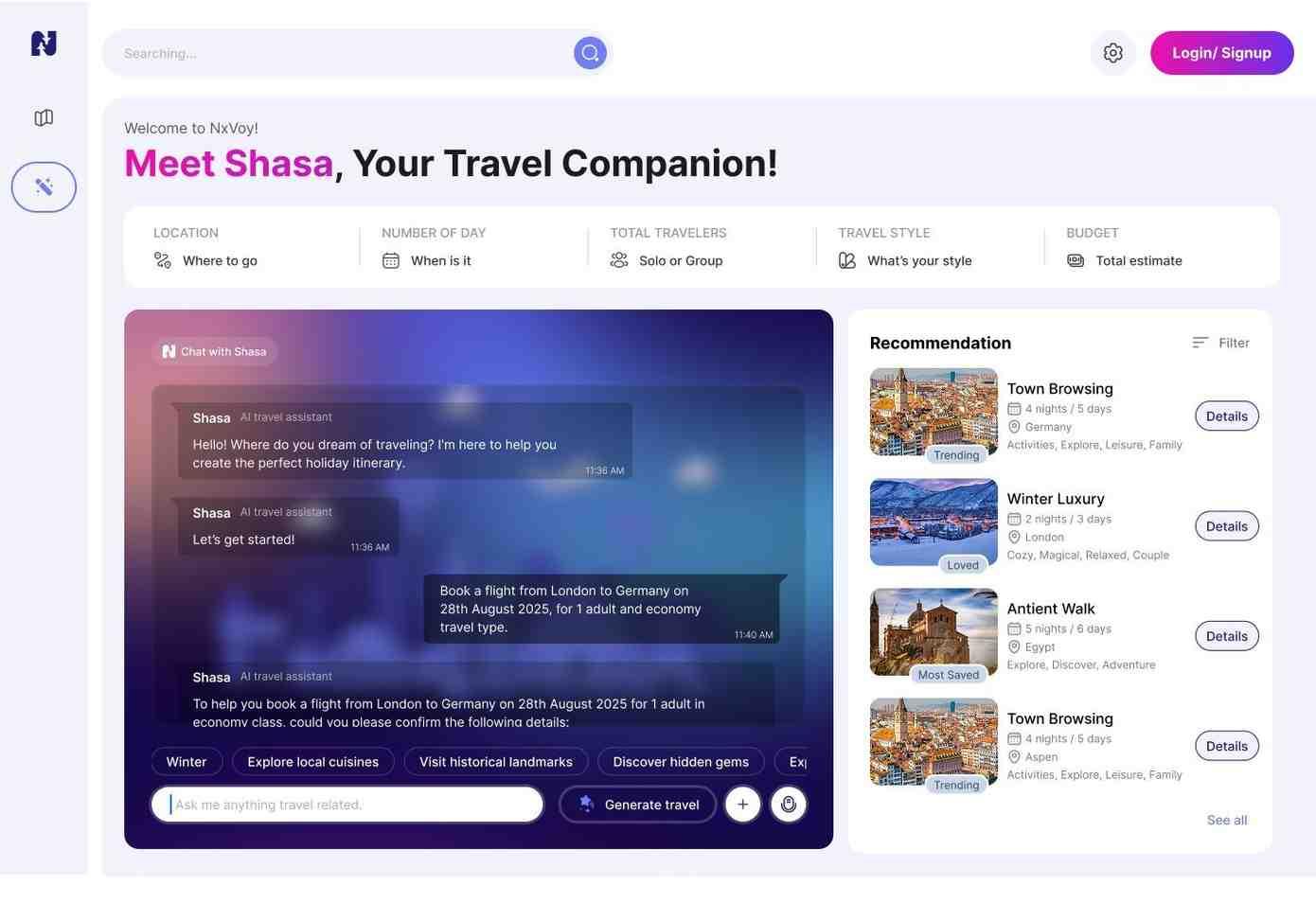
The front-end where the user interacts with the planner. A successful trip planner ai needs an intuitive, map-based interface that allows users to easily input preferences, view their itinerary, and make drag-and-drop adjustments.
Backend Infrastructure
The servers, databases, and logic that power the entire system. This includes user authentication, managing bookings, and processing requests between the UI and the machine learning core. It must be scalable and reliable.
Visualizing the Development Process



The Technology Stack: Key Tools & Frameworks
Backend
Python is the dominant choice due to its extensive libraries for AI/ML (TensorFlow, PyTorch, Scikit-learn) and data processing (Pandas). Frameworks like Django or FastAPI are excellent for building robust APIs.
Frontend
Modern JavaScript frameworks like React, Vue.js, or Svelte are ideal for creating a dynamic and interactive user interface. For mapping, libraries like Mapbox GL JS or the Google Maps JavaScript API are essential.
Database
A combination of databases is often used. PostgreSQL for structured data (user profiles, bookings) and a NoSQL database like MongoDB for less structured data (points of interest, reviews).
Sample Development Roadmap
Phase 1: Minimum Viable Product (MVP) - The AI Road Trip Planner
Start with a specific niche, like an (https://blog.nxvoytrips.ai/ai-road-trip-planner)[ai road trip planner]. Connect to the Google Maps API for routing and points of interest. Build a simple recommendation engine for stops along the way. The goal is to launch a functional product quickly to gather user feedback.
Phase 2: Full-Featured Platform - The Global Travel Planning AI
Integrate flight and hotel booking APIs. Develop a sophisticated machine learning model that learns from user behavior. Implement user accounts, saving/sharing itineraries, and real-time alerts. This is where the true power of (https://blog.nxvoytrips.ai/travel-planning-ai)[travel planning ai] comes to life.
Conclusion: You Can Build the Future of Travel
Building an AI trip planner is a complex but incredibly rewarding challenge. It sits at the intersection of data science, software engineering, and human-centered design. By focusing on a solid architecture, leveraging the right technology, and starting with a clear MVP, you can create a tool that genuinely helps people explore the world. The journey to plan your journey will no longer be a chore, but an exciting part of the adventure itself.
Plan This Trip with Shasa AI
Don't just read about it—experience it. Let our AI assistant build your perfect itinerary, manage your bookings, and guide you 24/7.
Available on App Store
Frequently Asked Questions
Q.What's the biggest challenge when you build an AI trip planner?
Answer:Data quality and integration. Sourcing reliable, real-time data from multiple APIs and standardizing it into a usable format is a massive undertaking. The quality of your data directly impacts the quality of your recommendations.
Q.How can an AI trip planner be monetized?
Answer:Several models exist: a freemium model with premium features (e.g., advanced collaboration tools), commission from bookings (affiliate links for flights/hotels), selling API access to other businesses, or a B2B model for travel agencies.
Q.Do I need a PhD in AI to build this?
Answer:Not necessarily to build an MVP. You can start with simpler algorithms and leverage pre-trained models. However, to build a truly competitive and intelligent platform, having team members with strong expertise in machine learning and data science is crucial.
Q.How do you handle the 'cold start' problem for new users?
Answer:The 'cold start' problem (not having enough data on a new user to make personal recommendations) is solved by starting with popularity-based suggestions (e.g., 'Top 10 sights in Paris'). You can then quickly personalize as the user interacts with the platform, indicating their interests and preferences.