10 Less Crowded Hill Stations Near Delhi 2026: Peaceful Mountain Escapes
Himalayan Escape Collective
Escaping the Tourist Rush: Finding Tranquility in the Mountains
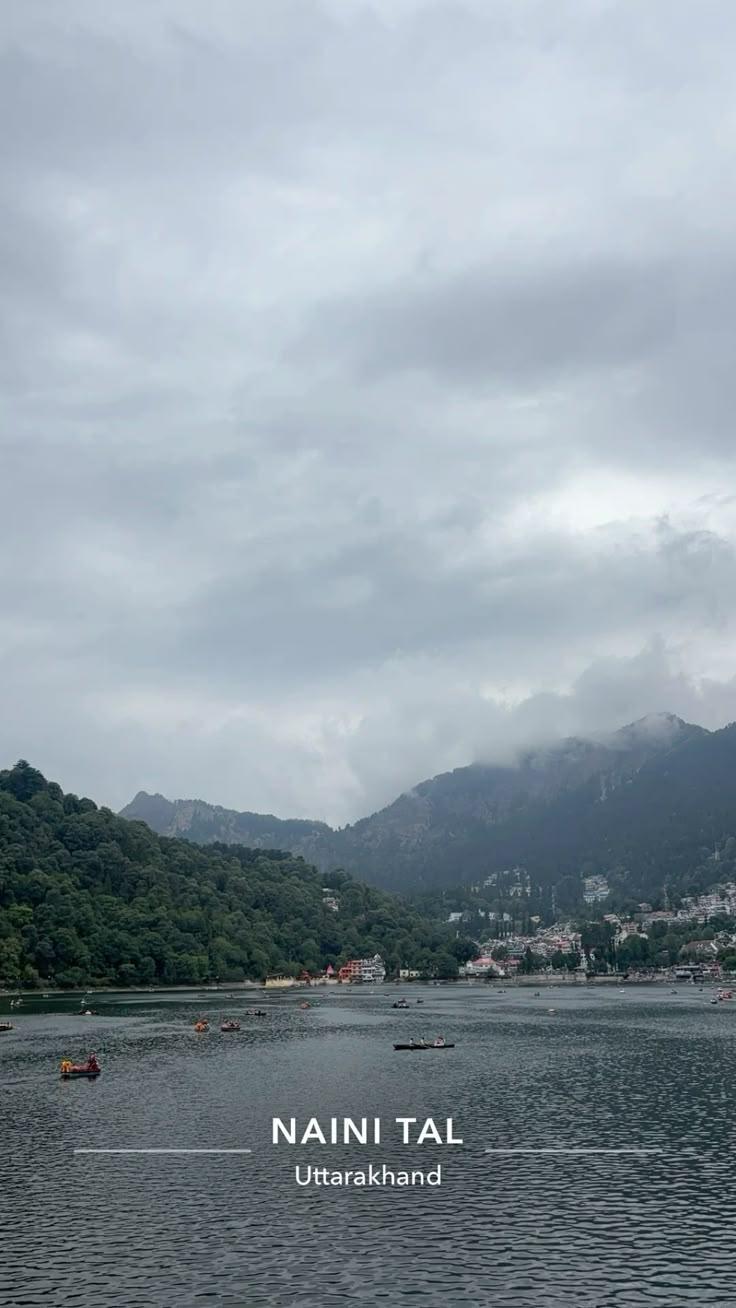
Anyone who has sat in weekend traffic on the Delhi-Shimla highway or navigated through Mussoori's crowded Mall Road understands the irony—you travel hours seeking peace and nature only to find the same urban chaos you left behind, just at higher altitude. The popular hill stations within easy reach of Delhi have become victims of their own success, with overcrowding, inflated prices, traffic congestion, environmental degradation, and commercialization that erodes the very mountain charm that attracted visitors initially. Yet the Himalayas hold countless lesser-known destinations offering everything mainstream hill stations provide—cool mountain air, scenic beauty, outdoor activities, cultural experiences—without the overwhelming tourist infrastructure that has transformed places like Shimla and Nainital into mountain versions of urban commercial districts.
These less crowded alternatives, scattered across Uttarakhand and Himachal Pradesh between 300-600 kilometers from Delhi, represent what hill stations were meant to be—peaceful retreats where pine forest sounds replace traffic noise, where you encounter locals going about daily life rather than tourist-oriented businesses, where accommodation and dining remain affordable, and where nature dominates rather than being squeezed between commercial developments. Many of these destinations sit just kilometers from famous hill stations yet receive a fraction of the visitors, preserving authentic mountain character while offering superior value and genuinely peaceful experiences. From birdwatcher's paradises to adventure trekking bases, from temple pilgrimage sites to colonial-era cantonments, these ten destinations provide diverse experiences unified by their relative obscurity and preserved tranquility.
This comprehensive guide explores each destination in detail, organized by distance from Delhi, providing practical information on accessibility, optimal timing, key attractions, activities, accommodation expectations, and local specialties. Modern AI-powered travel planning can help optimize multi-destination itineraries, identify the best seasonal timing, and navigate the logistics that make visiting lesser-known destinations easier than ever before.
Nainital District's Quieter Corners
Pangot (302 kilometers): Birdwatcher's Paradise Beyond Nainital
Just 15 kilometers beyond Nainital's crowded lakefront lies Pangot, a small village that couldn't be more different from its famous neighbor. While Nainital accommodates lakhs of tourists annually, Pangot maintains peaceful mountain village character with scattered guesthouses, minimal commercial development, and forests that have made it renowned among birdwatching enthusiasts. Situated at 6,300 feet elevation, Pangot experiences pleasant summers (15-25°C) and cold winters occasionally dropping to -8°C, creating climate attractive to over 580 bird species recorded in the area. The Kilbury Bird Sanctuary, 12 kilometers from Pangot, protects dense oak and rhododendron forests where Himalayan griffons, lammergeiers, khalij pheasants, and numerous warblers thrive. Early morning forest walks with experienced local guides (₹500-800 for half-day) reveal species difficult to spot without expert knowledge. Beyond birdwatching, Pangot offers excellent trekking—the Naina Peak trek (6 kilometers one way to 8,579 feet summit) provides panoramic Himalayan views encompassing Nanda Devi, Trishul, and Nanda Kot peaks. Cheena Peak, closer at 3 kilometers, offers easier hiking with similar viewpoints. The village's Snow View Point delivers exactly what it promises during clear winter days. Accommodation consists primarily of homestays and small guesthouses (₹1,200-3,000 per night) where hosts often prepare traditional Kumaoni meals featuring mandua roti (finger millet bread), bhatt ki churkani (black soybean curry), and aloo ke gutke (spiced potatoes). The absence of major hotels and restaurants maintains the quiet atmosphere that makes Pangot special—you hear birdsong instead of traffic, see stars instead of streetlights, and experience mountain life at its unhurried authentic pace.
Naukuchiatal (304 kilometers): The Nine-Cornered Lake's Serenity
Naukuchiatal, meaning 'lake of nine corners,' centers on a pristine lake 26 kilometers from Nainital that rarely sees the boat-crowding that characterizes its more famous neighbor. At 4,000 feet elevation, this small town offers comfortable year-round climate—summers staying pleasant (20-30°C) and winters cool but not extreme (3-15°C). The lake itself, Uttarakhand's deepest at 40 meters, maintains crystal clarity with emerald-green water surrounded by hills covered in oak, pine, and fruit orchards. Unlike Nainital's commercialized boating operations, Naukuchiatal's paddle boats and rowboats (₹100-300 per hour) provide genuinely peaceful lake experiences without constant horn-honking or overcrowding. Fishing permits enable angling for mahseer and local species. The surrounding area offers multiple lake experiences—Bhimtal (4 kilometers away) features an island aquarium accessible by boat, Sattal (8 kilometers) comprises seven interconnected lakes amid dense forests ideal for nature walks and butterfly watching, and Khurpatal (12 kilometers) remains even more secluded. The Butterfly Research Centre near Bhimtal documents regional butterfly diversity with over 300 species. Trekking routes connect the lakes, creating multi-day hiking opportunities through varied terrain and ecosystems. Temples including Hanuman Garhi and Naina Devi provide spiritual and cultural dimensions beyond natural attractions. Accommodation spans budget guesthouses (₹800-1,500) to comfortable lakeside resorts (₹3,000-6,000), with many properties offering home-cooked Kumaoni cuisine. The area's agricultural character—visible in surrounding apple orchards and terraced farms—creates landscape diversity beyond typical hill station pine forests. Modern AI travel planning tools can help create efficient multi-lake itineraries combining Naukuchiatal with nearby destinations for varied experiences within compact geography.
Garhwal's Emerging Destinations
Kanatal (315 kilometers): Alpine Meadows and Adventure
Perched at 8,500 feet between Mussoorie and Chamba, Kanatal delivers dramatic alpine scenery, cool temperatures (often 10-20°C in summer, -5 to 10°C in winter), and adventure tourism infrastructure without Mussoorie's overcrowding. Apple orchards dominate the landscape—spring blossoms (March-April) create spectacular white-pink hillsides, while autumn harvest (September-October) offers fresh fruit and local cider. The Kodia Jungle, dense deodar forest accessible via short trails, provides peaceful nature walks with seasonal rhododendron blooms and diverse birdlife. Surkanda Devi Temple, one of 51 Shakti Peeths, sits atop a 9,995-foot peak accessible via 2-kilometer forest trek or cable car (₹205 per person), offering both spiritual significance and 360-degree views across Garhwal Himalayas including Gangotri, Yamunotri, Kedarnath, and Badrinath ranges. Adventure camps proliferate in Kanatal, offering camping with activities including zip-lining through forests (₹500-800), rock climbing and rappelling (₹600-1,000), valley crossing (₹800-1,200), and guided nature treks. Winter brings snow transforming Kanatal into winter sports destination with skiing, snowboarding, and snow trekking opportunities. Tehri Dam, 30 kilometers away, creates massive reservoir offering water sports—jet skiing, banana boat rides, speed boating—contrasting mountain activities with aquatic adventures. New Tehri town, built to replace Old Tehri submerged by dam creation, provides glimpse into displacement and adaptation stories. Accommodation ranges from adventure camps (₹1,500-3,000 with activities) to comfortable hotels (₹2,500-5,000) and luxury properties (₹6,000-12,000). Local Garhwali cuisine highlights include kafuli (spinach-fenugreek curry), chainsoo (black gram dal), and phaanu (mixed lentils), best sampled at homestays where preparation follows traditional methods.
Chakrata (324 kilometers): Wilderness and Waterfalls
Chakrata's cantonment status, hosting Indian Army establishments, has paradoxically preserved its wilderness character by limiting commercial development while maintaining road infrastructure and security. At 7,000 feet elevation in the Jaunsar-Bawar region, Chakrata offers cool summers (15-28°C) and cold winters (-5 to 15°C) amid dense deodar forests, dramatic waterfalls, mysterious caves, and traditional Jaunsari villages maintaining distinct cultural practices. Tiger Falls, plunging 312 feet in spectacular cascade, ranks among Uttarakhand's highest waterfalls, accessible via 4-kilometer forest trek from road head. The trek, moderately challenging with steep sections, rewards with powerful waterfall views and natural pools (swimming possible but requires caution due to strong currents and slippery rocks). Budher Caves offer spelunking adventures through limestone formations featuring stalagmites and stalactites—local guides (₹300-500) prove essential for safe navigation. Deoban, meaning 'abode of gods,' sits at 9,500 feet elevation 15 kilometers from Chakrata, providing sunrise views across Himalayan peaks including Bandarpoonch, Black Peak, and Swargarohini. Dense deodar forests here create cathedral-like atmospheres with ancient trees and minimal undergrowth. Chilmiri Neck and Moila Top offer additional viewpoints showcasing valley panoramas. Jaunsari culture, distinct from mainstream Garhwali traditions, manifests in unique architecture (wooden homes with slate roofs and intricate carvings), festivals, traditional dress, and dialect. Historical polyandry practices (now discontinued but reflected in social structures) and matrilineal property customs distinguish Jaunsari society. Limited accommodation—primarily Forest Rest Houses requiring advance booking through forest department and basic guesthouses (₹800-2,000)—means advance planning proves essential but also ensures visitor numbers remain manageable. The cantonment requires entry registration at checkpoints, a simple formality for tourists but contributing to security and order.
Khirsu (333 kilometers): Apple Orchards and Temple Treks
Just 18 kilometers from Pauri Garhwal but worlds away in atmosphere, Khirsu represents quintessential Garhwal village life amid apple orchards, deodar forests, and temple-dotted hillsides. At 6,000 feet elevation, temperatures remain comfortable year-round (0-25°C range across seasons), with pleasant summers and cold winters bringing occasional snow. Apple orchards define Khirsu's economy and landscape—spring blossoms create fragrant white canopies, while autumn harvest sees roadside stalls selling fresh apples at farm prices. The unhurried village pace, minimal tourist infrastructure, and traditional stone-and-wood architecture create atmosphere conducive to complete digital detox and mental restoration. Ghandiyal Devta Temple and Kandoliya Temple provide cultural and spiritual experiences while short forest walks lead to viewpoints overlooking Himalayan ranges including Nanda Devi, Trishul, and Chaukhamba peaks. The longer trek to Kunjapuri Temple (though equally accessible from Rishikesh side) offers challenging full-day hiking with sunrise or sunset panoramas as reward. Kyunkaleshwar Mahadev Temple features unique architecture and local religious significance. Village walks reveal traditional Garhwali life—terraced agriculture, stone grinding mills, family dairies, and hospitality that feels genuine rather than tourism-oriented. Pauri town, easily accessible for day visits, offers Garhwali cultural experiences, local markets selling woolens and handicrafts, and the Kandoliya Temple complex with expansive views. Accommodation consists primarily of homestays and small guesthouses (₹1,000-2,500) where hosts prepare traditional meals featuring mandua (finger millet), jhangora (barnyard millet), and seasonal vegetables. The absence of luxury hotels or resort infrastructure proves feature rather than bug for travelers genuinely seeking peace, simplicity, and authentic mountain village experience far from tourist circus atmospheres.
Shimla's Peaceful Periphery
Shoghi (355 kilometers): Colonial Calm Near Shimla
Located just 13 kilometers from Shimla at 5,700 feet elevation, Shoghi demonstrates that proximity to famous destinations doesn't necessitate crowds when development remains controlled. This small town maintains peaceful mountain atmosphere with pine forests, pleasant climate (5-20°C in winter, 15-30°C in summer), and colonial-era heritage minus Shimla's overwhelming tourist infrastructure. Tara Devi Temple, 3 kilometers away atop a hillock, dates to 18th century with beautiful wooden architecture and panoramic valley views—the short trek through pine forest provides pleasant exercise and spiritual atmosphere without the commercialization surrounding Shimla's Jakhu Temple. Kamna Devi Temple similarly offers peaceful pilgrimage experience. Chadwick Falls, 7 kilometers from Shimla town, plunges 100 meters through dense forest—best visited during monsoon and post-monsoon (July-October) when water flow peaks. The Kalka-Shimla toy train, UNESCO World Heritage mountain railway, passes through Shoghi with several trains daily—boarding here avoids Shimla station crowds while providing scenic narrow-gauge journey experiences through tunnels, over bridges, and around mountain curves. Adventure activities including zip-lining, rappelling, bungee jumping, and mountain biking operate from camps near Shoghi (activities ₹500-1,500 each), providing adrenaline options without resort crowds. Forest walks lead to hidden viewpoints and small villages where traditional Himachali life continues largely unchanged. Shoghi's roadside location on NH-5 means easy accessibility but choose accommodation set back from highway for quieter stays. Properties range from budget guesthouses (₹1,000-2,000) to comfortable hotels (₹2,500-5,000), many offering traditional Himachali cuisine including siddu (steamed bread), patande (sweet pancakes), and madra (chickpea curry). Proximity to Shimla enables day trips for Mall Road shopping or Ridge strolling while returning to peaceful Shoghi accommodations for actual rest.
Chail (362 kilometers): The Maharaja's Quiet Retreat
Created in 1893 by Maharaja Bhupinder Singh of Patiala after being denied entry to Shimla, Chail sits 44 kilometers from that colonial capital at 7,050 feet elevation spread across three hillsides—Rajgarh, Pandewa, and Sadh Tibba. This geography creates spacious layout preventing congestion even during peak seasons while temperature (-2 to 25°C across seasons) provides comfortable climate year-round. Chail Palace, now heritage hotel with restaurant and portions open for tours, exemplifies royal architecture blending Indian and British elements—the drawing rooms, dining halls, and royal suites showcase period furnishings and photographs documenting princely era. The palace grounds include the world's highest cricket ground at 8,018 feet (Guinness-certified), surrounded by deodar and oak forests creating surreal cricket-in-mountains scenery even when matches aren't occurring. Chail Wildlife Sanctuary, 44 square kilometers protecting Himalayan fauna including ghoral, sambar, barking deer, red fox, and occasional leopards, offers guided nature walks and short treks (₹200-400 entry, guides ₹500-800) through mixed forests and grasslands. Birdwatching opportunities abound with 150+ species recorded including Himalayan monaI, kaleej pheasants, and numerous raptors. Kali Ka Tibba temple atop Sadh Tibba (7,350 feet, Chail's highest point) provides 360-degree views across valleys and peaks—the short uphill walk or shared taxi ride (₹50-100) leads to peaceful temple atmosphere and panoramic vistas. Sadhupul Lake offers boating and picnicking beside gentle streams. The Chail to Kufri trek (15 kilometers) provides moderate full-day hiking through varied terrain and elevations. Accommodation spans budget hotels (₹1,500-2,500), mid-range properties (₹3,000-6,000), and the heritage palace (₹6,000-15,000), with numerous homestays offering home-cooked Himachali meals. Modern AI travel assistants can help optimize itineraries combining Chail with nearby destinations or structuring stays to experience both heritage luxury and budget authenticity.
Kumaon's Remote Treasures
Binsar (404 kilometers): Wildlife Sanctuary and Himalayan Panoramas
Named after 16th-century Bineshwar Mahadev Temple and situated in Almora district at 7,900 feet elevation, Binsar represents nature at its most pristine—dense oak and rhododendron forests, diverse wildlife, and unobstructed Himalayan views spanning 300 kilometers of peaks. Summer temperatures (15-28°C) provide pleasant escape from plains heat, while winters (often dropping to 0°C) bring snow and crisp mountain air. Binsar Wildlife Sanctuary, 47 square kilometers of protected forest, hosts over 200 bird species making it paradise for ornithologists and casual birdwatchers alike—Himalayan griffons, lammergiers, koklas pheasants, forktails, and numerous warblers thrive in varied elevation zones and vegetation types. Mammals including barking deer, wild boar, leopards (rarely seen but present), and Himalayan black bears inhabit the sanctuary, though patient observation and early morning walks improve sighting chances. Zero Point, highest point in sanctuary at 8,200 feet accessible via 2-kilometer forest trek from road head, delivers spectacular 300-kilometer Himalayan panorama encompassing Nanda Devi, Nanda Kot, Trishul, Panchachuli, Kedarnath, and Chaukhamba peaks—sunrise and sunset transform this view into unforgettable spectacles. The relatively easy trek suits families and casual hikers, with benches and viewpoints along the way. Additional trekking routes include Binsar to Jageshwar (16 kilometers) combining nature with temple town cultural experiences. Jhandi Dhar temple and Bineshwar Mahadev provide spiritual dimensions and local religious significance. Kasar Devi, 8 kilometers away, attracted 1960s-70s counterculture figures including Bob Dylan and Cat Stevens due to area's unique geomagnetic field and spiritual atmosphere—the small temple and hippie heritage create interesting cultural layering. Accommodation concentrates in Binsar village and forest periphery—KMVN tourist bungalow (₹1,500-3,000), Forest Rest Houses requiring advance booking (₹800-1,500), and private guesthouses and small hotels (₹1,200-4,000). Khali Estate, British-era property now heritage hotel, offers colonial architecture and period atmosphere at premium rates (₹8,000-15,000). Local Kumaoni cuisine emphasizes seasonal ingredients—bhatt ki churkani, dubuk (mixed lentil), and seasonal greens prepared with minimal oil and maximum flavor.
Kausani (411 kilometers): Switzerland of India and Tea Gardens
Mahatma Gandhi's 1929 visit inspired him to call Kausani setting among India's most beautiful, while subsequent marketing dubbed it 'Switzerland of India'—hyperbole perhaps, but the 300-kilometer Himalayan panorama visible from 6,075-foot elevation genuinely impresses. Summer temperatures (15-30°C) remain comfortable while winters (2 to -15°C) bring snow and crystalline mountain views. The panorama encompasses Nanda Devi, Trishul, Nanda Kot, Panchachuli, and dozens of other peaks visible from various viewpoints around town—sunrise and sunset create particularly spectacular shows as changing light paints peaks in shifting colors. Anasakti Ashram, where Gandhi stayed in 1929 while writing commentary on the Anasakti Yoga, maintains simple museum documenting his visit and philosophy—the ashram guesthouse (₹200-400) offers basic accommodation in peaceful spiritual atmosphere. Baijnath Temple complex, 16 kilometers from Kausani, features 12th-13th century temples dedicated to Shiva and Parvati, with local tradition holding this as their wedding site—exquisite stone carvings showcase medieval Katyuri dynasty artistry. Tea estates surrounding Kausani produce fine orthodox tea—estate tours (₹100-200) demonstrate cultivation, processing, and tasting while walking through manicured tea bushes creates scenic photo opportunities. Rudradhari Falls and Cave, 12 kilometers away, combine waterfall beauty with sacred cave associated with Shiva worship. Lakshmi Ashram, founded 1946 for women's education and empowerment, continues operating as school and cultural center. Planetarium and observatory enable stargazing—Kausani's minimal light pollution and high elevation create excellent astronomical viewing conditions. Pant Museum documents Kumaoni poet Sumitranandan Pant's life and works. Accommodation includes budget guesthouses (₹800-1,500), mid-range hotels with valley views (₹2,500-5,000), and KMVN tourist bungalow (₹1,500-3,000). Pahadi cuisine emphasizes local grains and seasonal vegetables—arsa (sweet rice preparation), bhang ki chutney (hemp seed chutney, non-intoxicating), and singodi (khoya sweet wrapped in leaves) represent regional specialties.
Munsiyari (602 kilometers): Little Kashmir and Trekking Base
Munsiyari's distance from Delhi—602 kilometers requiring 14-15 hours driving including mountain roads—filters casual visitors leaving serious nature lovers, trekkers, and those genuinely seeking remote mountain experiences. At 7,200 feet elevation in Pithoragarh district, this small town serves as base for major treks while offering spectacular Panchachuli peak views and traditional Kumaoni culture. Summer temperatures (12-25°C) provide comfortable trekking weather, while winter (often -5 to 10°C) brings snow and challenging conditions requiring proper preparation. The Panchachuli peaks—five connected summits ranging 20,600-22,650 feet—dominate the northeastern skyline creating dramatic backdrop for the town. Khaliya Top (10 kilometers, 11,500 feet elevation) offers relatively accessible viewpoint trek combining forest walking with alpine meadow environments—the panorama encompasses not just Panchachuli but also Nanda Devi, Nanda Kot, and Rajrambha peaks. Serious trekkers use Munsiyari as starting point for challenging expeditions: Milam Glacier trek (11-12 days) penetrates deep into inner Himalayas visiting remote villages and spectacular glacier systems, Ralam Glacier trek (8-10 days) explores another major glacier with high-altitude passes and pristine valleys, and Namik Glacier trek (5-6 days) provides shorter but still challenging glacier experience. These require proper equipment, experienced guides (₹1,200-2,000 per day), porters if needed (₹800-1,200 per day), and permits from Forest Department and SDM office. For non-trekkers, village visits reveal Bhotiya and Shauka communities maintaining traditional lifestyles—Darkot village showcases typical mountain agriculture and social structures. Thamri Kund, a glacial lake, offers moderate trekking with sacred significance. Maheshwari Kund and Birthi Falls provide easier excursions. Tribal Heritage Museum documents regional ethnography and cultural traditions. Accommodation remains basic—guesthouses and small hotels (₹800-2,500), KMVN tourist bungalow (₹1,500-2,500), and homestays (₹600-1,500) where home-cooked meals often prove trip highlights. Prepare for limited connectivity, basic amenities, and conditions that reward adaptability with authentic experiences unavailable in developed tourist destinations. Modern AI travel planning tools can help with complex logistics, permit requirements, and seasonal timing crucial for successful Munsiyari visits.
Practical Planning Considerations
Transportation to these destinations typically involves private vehicles (self-drive or hired taxis), trains to nearest railheads followed by road travel, or buses (government and private operators). Nearest railway stations include Kathgodam (for Nainital district destinations and parts of Almora), Dehradun (for Garhwal destinations), and Kalka (for Himachal destinations), with onward taxi or bus connections. Road conditions vary significantly—Shoghi and Chail enjoy excellent highways, while Chakrata, Khirsu, and Munsiyari involve mountain roads requiring careful driving and often longer journey times than mapping apps suggest. Monsoon season (July-September) brings landslide risks making some destinations difficult to access.
Seasonal timing significantly affects experiences. Summer (April-June) provides peak season for escaping plains heat—comfortable temperatures, clear skies (usually), and accessibility to all destinations, but also highest visitor numbers and premium pricing even at offbeat locations. Monsoon (July-September) brings lush greenery, waterfalls at peak flow, and minimal crowds, offset by rain disruptions, landslide risks, and limited mountain views due to cloud cover. Autumn (October-November) offers ideal conditions—pleasant temperatures, post-monsoon clarity, festival season, and moderate crowds. Winter (December-February) delivers snow, dramatic cold (especially at higher elevations), and extremely quiet periods as many properties close, but rewards hardy travelers with pristine snow landscapes, winter sports opportunities, and rock-bottom rates where accommodation remains open.
Accommodation expectations should match destination character. Offbeat locations typically lack luxury resort infrastructure, instead offering homestays providing authentic cultural experiences and home-cooked meals (₹800-2,000), budget guesthouses with basic clean rooms and attached bathrooms (₹1,000-2,500), mid-range hotels providing modern amenities, hot water, and sometimes valley views (₹2,500-6,000), forest rest houses and government tourist bungalows requiring advance booking (₹800-3,000), and occasional heritage properties or upscale eco-resorts (₹6,000-15,000). Off-season and weekday bookings often enable walk-in flexibility and negotiated rates, while peak season weekends require advance reservations.
Packing essentials include layered clothing as temperature variation between day/night and sun/shade proves significant, warm woolens for winter visits (November-February especially), comfortable trekking shoes with good grip for uneven terrain and forest trails, basic first aid kit and personal medications, reusable water bottles, sunscreen and sunglasses, flashlight or headlamp as power cuts occur and street lighting is minimal, and sufficient cash as ATMs are limited and card acceptance spotty. Mobile connectivity varies—BSNL provides better coverage in remote areas than private operators, and many locations experience intermittent or no mobile data.
Plan This Trip with Shasa AI
Don't just read about it—experience it. Let our AI assistant build your perfect itinerary, manage your bookings, and guide you 24/7.
Available on App Store
Frequently Asked Questions
Q.Which is the least crowded hill station closest to Delhi?
Answer:Pangot (302 kilometers) and Naukuchiatal (304 kilometers) are among the closest yet maintain peaceful character despite proximity to crowded Nainital. Both offer authentic mountain experiences, good accommodation options, and significantly fewer visitors than their famous neighbor.
Q.What's the best time to visit these hill stations to avoid crowds?
Answer:October-November offers optimal balance of pleasant weather, clear mountain views, and moderate crowds. Weekdays throughout the year see fewer visitors than weekends. Winter (December-February) brings smallest crowds but cold temperatures and some property closures. Avoid long holiday weekends when even offbeat destinations fill up.
Q.Do I need permits to visit these destinations?
Answer:Chakrata requires simple registration at entry checkpoints due to cantonment status. Treks into Great Himalayan National Park (accessible from Tirthan Valley near Kanatal) and wildlife sanctuaries like Binsar require entry permits obtainable at gates. Munsiyari-based treks to glaciers require trekking permits from Forest Department and District Magistrate office. Otherwise, no special permissions needed.
Q.Which destinations are best for families with young children?
Answer:Naukuchiatal offers gentle terrain, lake activities, and comfortable accommodation suitable for children. Shoghi provides easy accessibility, proximity to Shimla for additional activities, and moderate climate. Chail features spacious layout, wildlife sanctuary walks, and heritage attractions interesting for kids. Avoid high-altitude destinations like Munsiyari and challenging trek-focused areas.
Q.How much should I budget for a 3-day trip?
Answer:Budget travelers can manage ₹6,000-10,000 per person including transport (shared taxis/buses), basic accommodation (₹800-1,500 per night), simple meals (₹300-500 daily), and minimal activities. Mid-range budgets of ₹15,000-25,000 cover private transport, comfortable hotels (₹2,500-5,000 nightly), varied dining, and guided activities. Premium experiences requiring ₹30,000-50,000 include private vehicles, heritage properties, and premium activities.
Q.Are these destinations safe for solo travelers?
Answer:Yes, all destinations are safe for solo travelers including solo women. Small-town and village atmospheres tend to be more welcoming and less hassling than crowded tourist spots. Homestay accommodation provides built-in social connection and local guidance. Basic precautions include informing someone of itinerary, choosing accommodations with verified reviews, and respecting local customs.
Q.Can I visit multiple destinations in one trip?
Answer:Geographic clusters work well: Pangot and Naukuchiatal (8 kilometers apart) combine easily. Kanatal, Chakrata, and Khirsu form Garhwal triangle (each 100-150 kilometers from others). Shoghi and Chail sit 30 kilometers apart. However, mountain roads mean distances take longer than expected—budget extra travel time. Modern AI trip planning can optimize multi-destination routing.
Q.What essential items should I pack?
Answer:Pack warm layers even for summer visits (nights cool significantly), comfortable trekking shoes, rain gear if visiting April-October, basic medications and first aid supplies, reusable water bottles, flashlights (power cuts common), sunscreen and sunglasses, and adequate cash (limited ATM access). Winter visits require heavy woolens, and high-altitude destinations need additional warm clothing.