10 Offbeat Destinations in India 2026: Unexplored Places Beyond Tourist Crowds
Indian Travel Explorers Collective
Beyond the Beaten Path: Discovering India's Hidden Treasures
India's tourism landscape has long been dominated by iconic destinations—the beaches of Goa, the palaces of Rajasthan, and the hill stations of Himachal Pradesh. Yet beyond these well-trodden paths lies a network of lesser-known destinations offering equally compelling experiences without the crowds, commercialization, or Instagram-driven chaos that increasingly characterizes mainstream tourism. These offbeat locations provide what modern travelers increasingly seek: authentic cultural encounters, unspoiled natural beauty, genuine community connections, and the space to disconnect from digital noise and reconnect with meaningful experiences.
The shift toward offbeat travel reflects broader changes in traveler motivations. Research indicates that contemporary travelers prioritize authentic local experiences over landmark collection, seek peaceful environments conducive to reflection and restoration, value cultural depth over superficial sightseeing, and prefer destinations where tourism benefits local communities rather than extracting wealth. This evolution has created opportunities for India's hidden destinations—places that lack international fame but offer rich cultural traditions, pristine landscapes, vibrant local communities, and the kind of transformative experiences that create lasting memories rather than just social media content.
This curated collection presents ten offbeat destinations across India that exemplify meaningful travel in 2026. From Northeast India's tribal valleys to Western Ghats' misty plantations, from Himalayan meadows to desert villages, these locations offer alternatives to overcrowded tourist circuits. Modern AI-powered travel planning can help you discover and navigate these hidden gems while ensuring your journey supports local communities and preserves the authentic character that makes these places special.
Northeast India's Hidden Valleys
Ziro Valley, Arunachal Pradesh
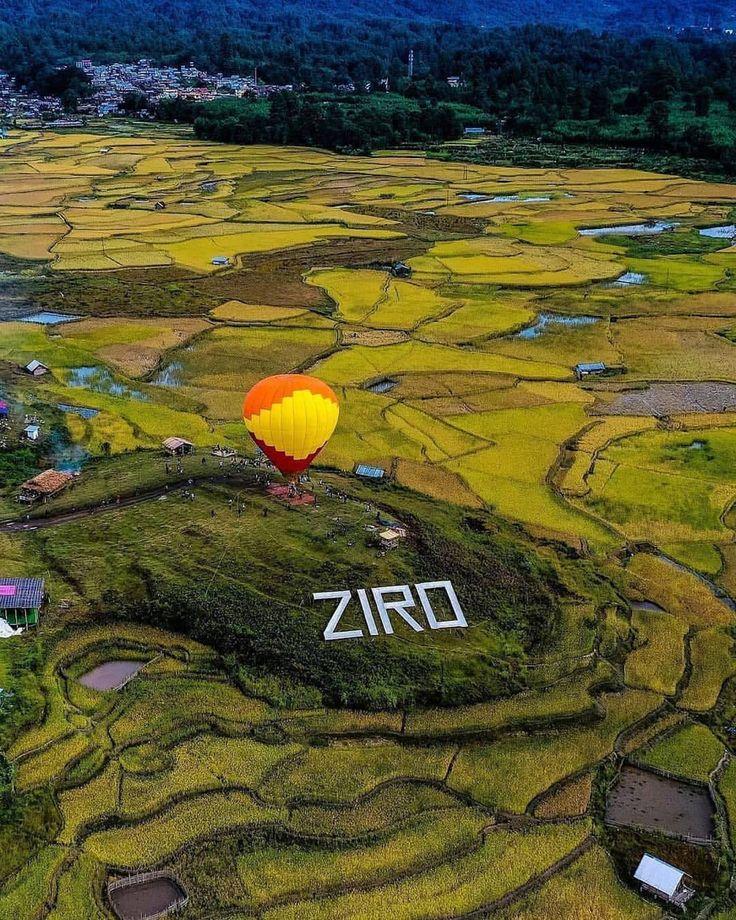
Surrounded by pine-covered mountains and terraced rice fields, Ziro Valley offers one of Northeast India's most peaceful landscapes. Home to the Apatani tribe, this UNESCO World Heritage candidate site preserves unique agricultural practices, traditional bamboo architecture, and cultural traditions rarely found elsewhere. The valley's elevation creates pleasant weather March through October, making it ideal for nature walks, village cycling, and cultural immersion. The annual Ziro Music Festival transforms the valley each September, blending contemporary music with traditional hospitality. Homestays with Apatani families provide authentic experiences—sharing meals, learning about facial tattoo traditions (now discontinued but visible in older generations), and understanding sustainable agriculture practiced for centuries. The valley's relative inaccessibility—requiring flights to North Lakhimpur followed by scenic mountain drives—preserves its tranquil character while modern AI trip planning tools can help navigate complex transportation logistics and identify culturally-sensitive homestay experiences.
Majuli Island, Assam
The world's largest river island, Majuli represents a unique cultural and ecological landscape where Assamese Neo-Vaishnavite culture thrives amid constant geographical transformation as the Brahmaputra River reshapes island boundaries. Twenty-two satras (Vaishnavite monasteries) preserve 500-year-old traditions of dance, music, mask-making, and spiritual practice. Visiting October through March avoids monsoon flooding while enabling participation in festival celebrations when satras open to visitors. Village cycling reveals pottery traditions in Kumarpara, mask-making in Chamaguri Satra, and boat-building techniques passed through generations. The island faces existential threats from erosion—land area decreased from 1,250 square kilometers in 1950 to 515 square kilometers currently—making visits both culturally enriching and ecologically urgent. Tourism provides alternative livelihoods as agricultural land disappears, though visitor numbers remain modest compared to mainland Assam destinations, preserving Majuli's contemplative atmosphere and authentic spiritual traditions.
Himalayan Escapes Beyond the Crowds
Tirthan Valley, Himachal Pradesh
While tourist crowds concentrate in Manali and Shimla, Tirthan Valley remains a peaceful alternative offering riverside tranquility, forest trails, and access to Great Himalayan National Park—a UNESCO World Heritage site protecting 375 fauna species and diverse Himalayan ecosystems. The Tirthan River provides opportunities for trout fishing (catch-and-release), riverside camping, and gentle nature walks suitable for families. April through June brings pleasant weather and blooming rhododendrons, while September through November offers post-monsoon clarity and comfortable temperatures. The valley's community-based tourism initiatives ensure local families benefit directly through homestays, guided treks, and traditional Himachali meal experiences. Unlike commercialized hill stations, Tirthan preserves mountain village character with limited vehicle access in core areas, traditional wooden architecture, and agricultural landscapes. Jalori Pass (3,120 meters) provides accessible high-altitude experiences with panoramic views, alpine meadows, and the sacred Serolsar Lake—all achievable without technical climbing skills.
Chopta, Uttarakhand
Dubbed 'Mini Switzerland' for its alpine meadows, Chopta serves as base camp for Tungnath (world's highest Shiva temple at 3,680 meters) and Chandrashila Peak (4,130 meters) treks. Unlike crowded Uttarakhand destinations, Chopta maintains pristine character due to limited accommodation infrastructure and vehicle restrictions preserving meadow ecosystems. March through June offers wildflower blooms transforming meadows into natural gardens, while September through December provides clear mountain views after monsoon clouds dissipate. Winter brings heavy snow, creating challenging but spectacular conditions for experienced trekkers. The Tungnath trek, moderate difficulty with 3.5-kilometer ascent, suits reasonably fit travelers including families with older children, while the additional 1.5-kilometer Chandrashila climb rewards with 360-degree Himalayan panoramas encompassing Nanda Devi, Trishul, and Chaukhamba peaks. Sustainable tourism practices limit visitor numbers during peak periods, and modern AI travel planners can help schedule visits during optimal weather windows while avoiding overcrowding periods.
Coastal and Island Alternatives
Gokarna, Karnataka offers what many travelers seek in Goa without the commercialization that has transformed that coastline. Beyond Om Beach—Gokarna's most famous but still relatively uncrowded shore—lie hidden coves accessible only by cliff-side treks or boat. The beach trek from Kudle to Paradise Beach passes through pristine coastline, rocky headlands, and secluded stretches where you might encounter more eagles than people. October through March provides ideal weather avoiding monsoon rains and summer heat. Unlike Goa's party atmosphere, Gokarna maintains spiritual character as an important pilgrimage site, with ancient Mahabaleshwar Temple drawing devotees alongside beach travelers. This combination creates unique energy balancing relaxation with cultural depth. Beach shacks offer fresh seafood and simple accommodations, while the small town provides authentic South Indian vegetarian cuisine and temple architecture. The absence of large-scale resorts preserves coastal character and ensures tourism benefits flow to local families rather than external hotel chains.
Northeast Ecological Wonders
Mawlynnong village in Meghalaya earned 'Asia's Cleanest Village' recognition through community-led cleanliness initiatives creating immaculately maintained streets, homes, and public spaces. Living root bridges—grown over decades by training Ficus elastica roots across streams—demonstrate indigenous Khasi engineering solving infrastructural challenges through biological architecture. The nearby Umngot River at Dawki appears almost unreal with water so transparent that boats seem to float on air rather than liquid. October through April provides optimal weather, avoiding monsoon rains that, while creating spectacular waterfalls, can make rural roads challenging. Village homestays enable cultural immersion with Khasi families, learning about matrilineal traditions, local governance through Dorbar Shnong (village councils), and sustainable practices maintaining environmental quality. The relatively recent tourism development means infrastructure remains basic but authentic, with community ownership ensuring economic benefits stay local rather than extracting to outside operators.
Heritage Towns and Desert Villages
Mandawa, Rajasthan
While tour buses rush between Jaipur, Jodhpur, and Udaipur, Mandawa quietly preserves extraordinary heritage through painted havelis (mansions) showcasing Shekhawati region's artistic traditions. Wealthy merchant families commissioned elaborate frescoes in 18th-19th centuries, creating an open-air art gallery where building facades display mythological scenes, British colonial imagery, early automobiles and trains, and daily life documentation. October through March offers pleasant temperatures for wandering streets discovering hidden architectural gems. Heritage hotels occupy restored forts and havelis, providing authentic Rajasthani hospitality in historical settings. The town's compact size enables walking exploration, revealing courtyard architecture, traditional stepwells, and artisan workshops maintaining fresco painting techniques. Limited commercialization compared to major Rajasthan cities preserves peaceful atmosphere—you can photograph architectural details without crowds, interact with shopkeepers without hard-sell tactics, and experience small-town Rajasthani life beyond tourist performances.
Kutch Beyond the White Desert, Gujarat
The Rann of Kutch's white salt desert attracts visitors November through February when the Rann Utsav festival showcases regional culture. However, Kutch's real treasures lie in surrounding villages where artisan communities maintain textile traditions, embroidery techniques, pottery styles, and craft skills passed through generations. Bhujodi village's weavers create traditional shawls and fabrics, Nirona preserves Rogan art (painting with castor oil-based paints), and Hodka offers community-run homestays enabling direct cultural exchange. Desert sunrise and sunset transform salt flats into surreal landscapes, while village stays reveal daily rhythms of pastoral communities. Craft purchases directly from artisans provide fair compensation while preserving endangered traditions—many young people migrate to cities unless tourism creates viable local livelihoods. The contrast between stark desert landscapes and vibrant textile colors, between sparse environments and rich cultural traditions, creates memorable experiences transcending typical tourist activities.
Hill Stations and Ancient Sites
Valparai, Tamil Nadu
Hidden within Western Ghats at 1,400 meters elevation, Valparai offers tea plantation landscapes, wildlife corridors with regular elephant sightings, waterfalls cascading through rainforest, and misty mornings creating ethereal atmospheres. September through March provides clear weather, though monsoon visits offer different beauty with lush greenery and dramatic cloud formations. The 40-hairpin bend road from Pollachi creates scenic journey through elevation zones, from tropical lowlands to temperate highlands. Tea estate walks reveal cultivation processes, while Sholayar Dam and surrounding forests provide nature photography opportunities. Unlike commercialized hill stations, Valparai maintains working plantation character—tourism remains secondary to tea production, preserving authentic rhythms and preventing resort overdevelopment. Accommodation in estate bungalows or small guesthouses enables interaction with plantation managers and workers, understanding tea industry economics and environmental challenges. Wildlife awareness programs teach coexistence between humans and elephants sharing overlapping territories.
Bhimbetka and Pachmarhi, Madhya Pradesh
Bhimbetka's rock shelters contain 30,000-year-old cave paintings documenting prehistoric life through hunting scenes, dancing figures, and animal depictions—UNESCO recognition validates their archaeological significance. Nearby Pachmarhi, Madhya Pradesh's only hill station, offers contrasting experiences through colonial-era architecture, Satpura Range viewpoints, and waterfalls including Bee Falls and Apsara Vihar. October through February provides pleasant weather avoiding summer heat and monsoon rains. The combination proves unusual—ancient human heritage alongside natural beauty and colonial history. Relatively limited tourist infrastructure compared to northern hill stations means fewer crowds but also requires more planning. Modern AI-powered travel tools help optimize multi-site itineraries combining archaeological interest with nature experiences. Cave painting visits with knowledgeable guides reveal meanings and historical contexts that casual observation misses, transforming rock art from curiosities into windows into human cultural evolution.
Why Choose Offbeat Destinations?
Offbeat destinations offer fundamental advantages beyond simply avoiding crowds. They enable authentic cultural encounters because communities haven't yet commodified traditions for tourism—you experience living culture rather than performed authenticity. Economic benefits reach local families directly through homestays, guide services, and craft purchases rather than concentrating in corporate chains. Environmental impact reduces as visitor numbers remain below carrying capacity, preventing the degradation plaguing popular destinations. Personal transformation becomes possible through quieter environments conducive to reflection, meaningful interactions with hosts, and escape from the constant stimulation of commercial tourism. These destinations remind us that travel originally meant discovery rather than landmark collection, connection rather than consumption.
Practical advantages include better value as offbeat destinations typically cost 30-50% less than tourist hotspots for accommodation, food, and activities. Photography opportunities improve without crowds blocking views or ruining compositions. Flexibility increases as you're not competing for reservations or constrained by high-season premium pricing. Local interaction deepens when you're a novelty rather than one of thousands passing through daily. Modern AI travel planning platforms make offbeat travel more accessible by solving information gaps, complex logistics, and language barriers that previously deterred travelers from venturing beyond established circuits.
Responsible Travel in Offbeat Destinations
Visiting offbeat destinations carries responsibilities precisely because they haven't yet developed tourism management infrastructure. Research cultural norms and sensitive practices beforehand—some ceremonies shouldn't be photographed, certain areas might be sacred, specific behaviors could cause offense. Choose locally-owned accommodations and services ensuring economic benefits stay within communities. Respect carrying capacity by traveling during shoulder seasons, limiting plastic waste, and following Leave No Trace principles. Ask permission before photographing people, engage respectfully with local customs even when you don't fully understand them, and recognize that you're a guest in someone's home region rather than a consumer purchasing experiences.
Support community welfare through fair payment for services, purchasing crafts directly from artisans at prices that value their skill, and patronizing family-run restaurants and shops. Share experiences responsibly on social media—some places benefit from thoughtful promotion while others might be damaged by sudden popularity overwhelming local capacity. Consider whether public sharing serves the destination's interests or merely your personal brand. The goal involves traveling in ways that leave these special places better rather than worse, ensuring future travelers can experience the same authentic character that drew you there initially.
Plan This Trip with Shasa AI
Don't just read about it—experience it. Let our AI assistant build your perfect itinerary, manage your bookings, and guide you 24/7.
Available on App Store
Frequently Asked Questions
Q.What makes a destination 'offbeat' in the Indian travel context?
Answer:Offbeat destinations in India are lesser-known places that haven't been heavily commercialized or overrun by mainstream tourism. These locations typically lack international fame, receive significantly fewer visitors than popular tourist circuits, maintain authentic local culture rather than tourism-oriented performances, preserve traditional livelihoods alongside tourism rather than being dominated by it, and offer peaceful environments without crowds. Offbeat doesn't necessarily mean remote or difficult to access—some offbeat destinations have decent infrastructure but simply haven't entered popular consciousness. The key distinction involves authenticity and scale: these places remain primarily communities going about their lives rather than tourist zones existing to serve visitors.
Q.Do I need special permits for offbeat destinations?
Answer:Some offbeat destinations require permits, particularly in Northeast India, border areas, and certain protected ecological zones. Arunachal Pradesh (including Ziro Valley) requires Inner Line Permits (ILP) for domestic travelers and Protected Area Permits (PAP) for foreign nationals—these can often be obtained online or through travel agents. Great Himalayan National Park near Tirthan Valley requires entry permits for trekking zones. Majuli Island doesn't require special permits beyond standard Assam access. Permit requirements change periodically, so verify current regulations before planning. Modern AI travel planning tools can identify permit requirements for specific destinations and often facilitate application processes, removing logistical barriers that previously deterred travelers from exploring regulated areas. Permits exist primarily for environmental protection, border security, or cultural preservation rather than restricting tourism, so don't let permit requirements deter you from these worthwhile destinations.
Q.What's the best time to visit offbeat destinations in India?
Answer:Timing varies by region and altitude. Northeast destinations like Ziro Valley and Majuli are best October through April, avoiding monsoon flooding and excessive rainfall. Himalayan destinations including Tirthan Valley and Chopta offer different experiences by season—spring (March-June) for wildflowers and moderate temperatures, autumn (September-November) for clear mountain views, winter (December-February) for snow and solitude but requiring cold-weather preparation. Coastal Gokarna peaks October through March with pleasant beach weather. Desert destinations like Kutch are most comfortable November through February, avoiding summer heat exceeding 45°C. Hill stations including Valparai and Pachmarhi see visitors year-round, though monsoons July-September bring heavy rains making some areas inaccessible. Shoulder seasons often provide optimal experiences—fewer crowds, better rates, comfortable weather—while avoiding peak season premium pricing and congestion. Research specific destination climate patterns and cultural events that might enhance (festivals) or complicate (pilgrimage seasons) your visit.
Q.How do offbeat destinations compare cost-wise to popular tourist spots?
Answer:Offbeat destinations typically cost 30-50% less than mainstream tourist areas for accommodation, food, and activities because they lack the commercial infrastructure and premium pricing of established circuits. A comfortable homestay in Tirthan Valley might cost ₹1,500-2,500 per night versus ₹4,000-6,000 for equivalent Manali lodging. Meals in local restaurants cost ₹150-300 per person versus ₹400-600 in tourist areas. Activities like guided village walks (₹500-800) or craft workshops (₹300-500) prove far cheaper than commercial tours in popular destinations. However, transportation to offbeat locations sometimes costs more due to limited public transit requiring private vehicles or connecting flights. The overall trip cost often balances out—higher transportation offset by lower accommodation and food—but you receive far better value through authentic experiences, personal attention, and meaningful cultural exchange. Budget travelers find offbeat destinations especially advantageous as homestays, local transport, and small eateries provide comfortable experiences at backpacker prices.
Q.What type of accommodation is available in offbeat locations?
Answer:Offbeat destinations typically offer homestays where local families provide rooms in their homes, small guesthouses run by local entrepreneurs, eco-lodges emphasizing sustainability and environmental integration, heritage properties including restored havelis or plantation bungalows, and basic but clean hotels in larger offbeat towns. Large chain hotels and resorts are rare, which actually enhances authentic experience—you interact with hosts, eat home-cooked regional food, learn about local life, and directly support family livelihoods. Amenities vary from basic (shared bathrooms, simple meals) to quite comfortable (private rooms, ensuite facilities, multiple-course meals) depending on location and price point. Don't expect luxury resort standards, but do expect cleanliness, safety, and genuine hospitality. Modern booking platforms increasingly list these smaller properties, while AI travel assistants can match your comfort requirements and budget with appropriate offbeat accommodation options, reading reviews to verify quality and authenticity.
Q.Is solo travel possible in offbeat destinations?
Answer:Yes, solo travelers including solo women successfully explore offbeat Indian destinations, often finding these locations more welcoming and less hassling than crowded tourist areas where aggressive touts target visitors. Homestay culture in offbeat destinations provides built-in social connection and local protection—your hosts become guides and advocates. However, solo travel in offbeat areas benefits from: informing someone of your itinerary and checking in regularly, choosing accommodations with established reviews and verified credentials, connecting with hosts beforehand to establish rapport and ask questions, respecting cultural norms regarding dress and interaction, and potentially hiring local guides for remote trekking or village visits. Many solo travelers find offbeat destinations ideal for meeting other travelers (smaller communities make connections easier) and locals (who have more time and interest in genuine interaction). Women should research specific regional considerations—Northeast India generally proves very safe for solo women, while some areas may require additional cultural sensitivity regarding conservative norms.
Q.How can I ensure my visit benefits local communities?
Answer:Supporting local communities requires conscious choices throughout your journey: book directly with locally-owned homestays, guesthouses, and tour operators rather than through external platforms that extract commissions, eat at family restaurants and roadside dhabas rather than tourist-oriented establishments, purchase crafts and souvenirs directly from artisans at fair prices that value their skill, hire local guides for treks and cultural tours providing employment and knowledge sharing, participate in community-based tourism initiatives where villages collectively manage tourism, respect cultural practices and ask permission before photographing people or ceremonies, and extend your stay rather than rushing through—longer visits generate more economic impact with less infrastructure strain. Avoid bargaining aggressively on prices that are already reasonable, recognize that 'cheap' for you might represent significant income for service providers, and consider that your choices influence whether young people can maintain traditional livelihoods or must migrate to cities for work. Modern AI travel planning tools can identify community-beneficial businesses and social enterprises, enabling values-aligned trip planning.
Q.How do I navigate language barriers in offbeat destinations?
Answer:Language barriers in offbeat destinations prove manageable through preparation and technology: learn basic Hindi phrases for nationwide communication, download translation apps (Google Translate, Microsoft Translator) that work offline, use translation app camera features to read signs and menus instantly, communicate with photos showing what you need or want to find, rely on universal gestures and patience, book accommodations where hosts speak English (many homestays cater to domestic tourists who speak English), and hire guides who bridge language gaps while providing cultural context. Language barriers often create memorable interactions—attempting local language phrases shows respect and generates goodwill, while communication challenges encourage creativity and non-verbal connection. Many travelers find language barriers less significant than feared because hospitality transcends words, locals are patient with genuine communication attempts, and shared humanity enables surprising understanding. Modern AI travel tools increasingly offer real-time translation assistance and can communicate your needs to local service providers, reducing language-related travel anxiety while maintaining authentic cultural exchange.