6 Offbeat Hill Stations Near Delhi for Summer 2026: Cool Escapes Beyond Shimla
Himalayan Travel Collective
Beyond Shimla and Mussoorie: Discovering Delhi's Hidden Mountain Retreats
As summer temperatures in Delhi climb beyond 45°C, the familiar exodus to Himalayan hill stations begins. Yet while thousands converge on Shimla's Mall Road, Mussoorie's crowded viewpoints, and Nainital's packed lake promenade, a network of lesser-known mountain retreats offers everything these popular destinations provide—cool temperatures, scenic beauty, fresh mountain air—without the crowds, commercialization, or inflated prices that characterize mainstream hill tourism. These offbeat hill stations, ranging from 5 to 10 hours from Delhi, provide peaceful alternatives where you can actually hear birdsong instead of car horns, walk forest trails without navigating through tourist groups, and experience authentic mountain life rather than tourist-oriented performances.
The appeal of offbeat hill stations extends beyond simply avoiding crowds. These destinations preserve colonial-era charm through heritage buildings and quiet cantonments, offer adventure opportunities from trekking to camping without commercial tour group chaos, provide authentic cultural experiences in working mountain communities, deliver better value with accommodation and dining costs 40-60% below popular hill stations, and enable genuine relaxation in peaceful environments conducive to mental restoration. As environmental awareness grows and travelers seek meaningful experiences over landmark collection, these hidden mountain retreats represent the future of sustainable hill tourism—places where visitor numbers remain below carrying capacity, local communities benefit directly from tourism, and natural beauty stays preserved rather than exploited.
This guide explores six exceptional offbeat hill stations within easy reach of Delhi, each offering distinctive character and experiences. Modern AI-powered travel planning can help optimize your route, identify the best accommodation options, and create personalized itineraries matching your interests—whether you seek adventure, relaxation, cultural immersion, or family-friendly activities in these peaceful mountain havens.
Uttarakhand's Hidden Gems
Lansdowne: Colonial Tranquility in the Garhwal Hills
Approximately 250 kilometers from Delhi, Lansdowne represents everything a hill station should be but mainstream destinations have ceased to offer—tranquility, natural beauty, and authentic mountain atmosphere. This cantonment town, established by the British in 1887 and named after then-Viceroy Lord Lansdowne, maintains strict development regulations preserving its peaceful character. Unlike commercial hill stations, Lansdowne prohibits high-rise construction, limits commercial establishments, and restricts vehicle access in core areas, creating an environment where pine forest silence replaces urban noise. Summer temperatures ranging 15-25°C provide perfect relief from Delhi's heat without requiring heavy woolens. The town's elevation at 1,700 meters offers comfortable mountain air while remaining accessible for those concerned about altitude effects. Colonial-era churches, the Garhwali Mess with its regimental museum, and the War Memorial provide historical interest, while Bhulla Tal—an artificial lake surrounded by oak and pine—offers peaceful boat rides and lakeside walks. Tip-n-Top viewpoint delivers sunrise and sunset panoramas across Himalayan peaks and valleys, though the real pleasure involves simply wandering quiet roads beneath tall pines, breathing clean air, and experiencing a pace of life that seems from another era. Accommodation ranges from budget guesthouses (₹1,000-1,500) to comfortable hotels (₹2,500-4,000), with several heritage properties offering colonial-era charm at mid-range prices.
Kanatal: Apple Orchards and Adventure Near Mussoorie
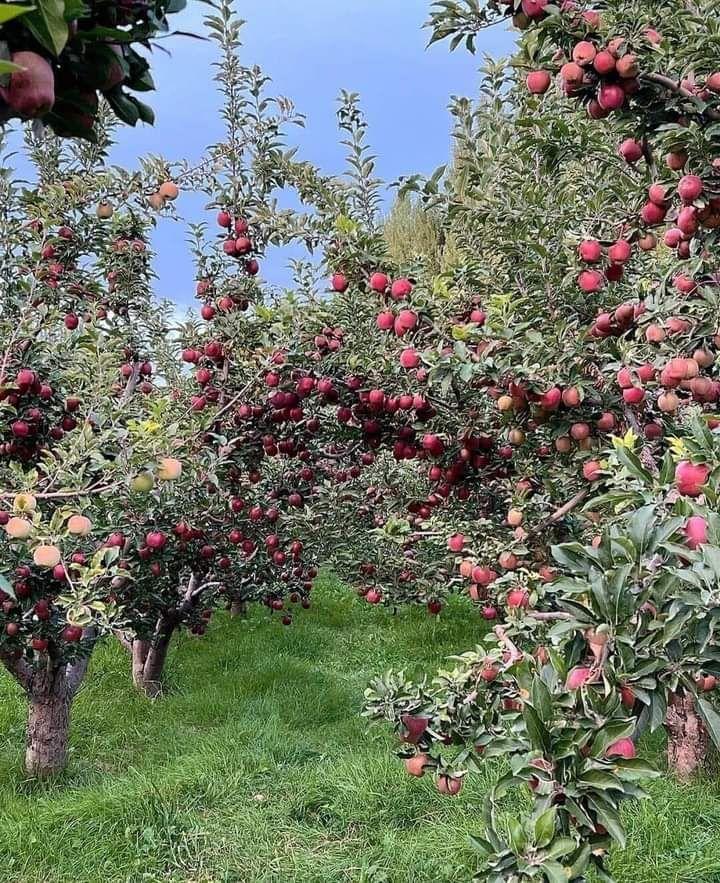
Located 78 kilometers from Dehradun and 300 kilometers from Delhi, Kanatal sits at 8,500 feet elevation between Mussoorie and Chamba, offering spectacular mountain views without Mussoorie's commercialization. This small village experiences cool summers (10-20°C) and often remains snow-covered January through March, making it ideal for those seeking authentic mountain weather. Apple orchards characterize the landscape—spring brings blossoms transforming hillsides into white-pink panoramas, while autumn harvest season offers fresh fruit and cider tasting opportunities. Adventure tourism thrives here through camping operations, zip-lining through deodar forests, rock climbing and rappelling facilities, nature treks to nearby villages, and winter snow activities when conditions permit. Kodia Jungle provides dense forest walks with rhododendron blooms (March-April) and diverse birdlife. Surkanda Devi Temple, accessible via 2-kilometer forest trek, delivers both spiritual significance and 360-degree Himalayan views from 9,995 feet elevation. Tehri Dam, Asia's highest dam creating a massive reservoir, lies 30 kilometers away offering water sports and engineering marvels. Kanatal's limited permanent population means fewer commercial establishments but also authentic mountain village atmosphere. Modern AI trip planning tools can help identify the best camping operators, adventure activity providers, and seasonal considerations for optimal visits matching your interests and fitness levels.
Chakrata: Wilderness and Waterfalls in Jaunsar-Bawar
Chakrata, 314 kilometers from Delhi in Uttarakhand's Jaunsar-Bawar region, represents true wilderness—dense deodar forests, dramatic waterfalls, mysterious caves, and traditional Jaunsari villages maintaining distinctive cultural traditions. At 7,000 feet elevation with summer temperatures 15-28°C, Chakrata provides comfortable climate while its cantonment status (housing the Indian Army's 5 Mechanised Infantry Regiment) limits commercial development preserving pristine character. Tiger Falls, Uttarakhand's highest waterfall at 312 feet, requires 4-kilometer trek through dense forest—the journey involves steep sections but rewards with spectacular cascades and natural pools. Budher Caves, featuring natural limestone formations and stalagmites/stalactites, offer spelunking adventures for those comfortable with dark, confined spaces. Deoban, 15 kilometers from Chakrata at 9,500 feet, provides sunrise views across snow peaks including Bandarpoonch and Black Peak, plus deodar forest trails. Chilmiri Neck offers sunset panoramas, while Kanasar's alpine meadows (seasonal access) showcase Himalayan ecology. Jaunsari villages surrounding Chakrata maintain distinct cultural identity—polyandry traditions (now rare but historically practiced), unique architecture, local festivals, and dialects differing from mainstream Garhwali. Limited accommodation (mostly basic guesthouses and Forest Rest Houses requiring advance booking) means fewer tourists but necessitates planning. The rough mountain roads, restricted entry timings due to cantonment status, and basic facilities filter for travelers genuinely seeking wilderness over comfort, rewarding them with some of Uttarakhand's most pristine mountain landscapes.
Himachal's Peaceful Alternatives
Chail: Royal Heritage and Mountain Serenity
Created in 1893 by Maharaja Bhupinder Singh of Patiala after being banned from entering Shimla, Chail sits 44 kilometers from Shimla at 7,050 feet elevation, offering everything Shimla provides minus the overwhelming crowds. Summer temperatures (15-25°C) remain pleasant, while the town's spread across three hillsides—Rajgarh, Pandewa, and Sadh Tibba—creates space preventing the congestion plaguing single-ridge Shimla. Chail Palace, now a heritage hotel, exemplifies royal architecture with parts open to visitors for dining and touring even if not staying overnight. The palace grounds include the world's highest cricket ground (8,018 feet, Guinness certified) surrounded by deodar and oak forests—matches rarely occur, but the ground itself offers surreal cricket-meets-mountains scenery. Chail Wildlife Sanctuary protects Himalayan fauna including ghoral, sambar, barking deer, and occasional leopards, with forest trails providing peaceful walks through mixed vegetation zones. Kali Ka Tibba temple sits atop Sadh Tibba (highest point at 7,350 feet) offering panoramic views and spiritual atmosphere. The Chail to Kufri trek (approximately 15 kilometers) provides moderate trekking through varied landscapes. Unlike Shimla's commercial focus, Chail maintains small-town atmosphere with limited shops and restaurants encouraging relaxation over consumption. Accommodation ranges from budget hotels (₹1,500-2,500) to the heritage palace (₹6,000-12,000) and several mid-range properties offering valley views and modern amenities at reasonable rates.
Jibhi: Riverside Hamlet in Tirthan Valley
Jibhi, a tiny hamlet in Himachal's Tirthan Valley approximately 520 kilometers from Delhi, represents the antithesis of conventional hill stations—no malls, no commercial centers, no tourist crowds, just traditional wooden homes beside a crystal-clear river surrounded by pine and deodar forests. At 5,200 feet elevation with summer temperatures 12-22°C, Jibhi offers cool comfort while its location in the Banjar Valley near Great Himalayan National Park provides pristine natural surroundings. The village maintains traditional Himachali architecture—slate-roofed wooden houses, carved balconies, temple architecture incorporating wood and stone—creating Instagram-worthy scenery that happens to be authentic daily life rather than constructed tourist attraction. Jibhi Waterfall, accessible via short forest walk, cascades through rocks creating natural pools and moss-covered landscapes. Serolsar Lake, 5 kilometers uphill trek from Jalori Pass (about 25 kilometers from Jibhi), sits at 10,100 feet surrounded by forest, considered sacred with prohibition on washing or polluting waters. Jalori Pass itself (10,800 feet) offers relatively easy high-altitude access with spectacular views, mountain meadows, and trek starting points. Tirthan River provides trout fishing opportunities (catch-and-release, permits required) and riverside walks with exceptional bird-watching. Chehni Kothi, a 1,500-year-old tower-temple showcasing earthquake-resistant traditional architecture, demonstrates indigenous engineering wisdom. Jibhi's appeal centers on slow travel—reading by the river, forest walks without destination, home-cooked Himachali meals, digital detox facilitated by limited connectivity. Modern AI travel planners can help identify authentic homestays, seasonal considerations, and activity combinations creating personalized slow-travel experiences in this peaceful valley.
Rajgarh: The Peach Valley's Gentle Hills
Rajgarh, known as Peach Bowl of India due to extensive peach orchards, sits 130 kilometers from Shimla and approximately 400 kilometers from Delhi at 4,600 feet elevation. This gentle hill station lacks dramatic peaks or adventurous treks but compensates with pastoral beauty, fruit orchards, pleasant climate (18-30°C in summer—warmer than higher-elevation stations but still comfortable), and authentic rural Himachal experience. The landscape features rolling hills covered with peach, plum, and apple orchards rather than dense forests, creating open vistas and agricultural tourism opportunities. Spring (March-April) brings orchard blossoms transforming valleys into pink-white panoramas, while summer harvest season (May-June) offers fresh fruit tasting and purchase at farm prices. Churdhar Peak (11,965 feet), Himachal's highest peak in outer Himalayas, provides challenging trek (approximately 18 kilometers from Nohradhar, accessible from Rajgarh) rewarding with summit Shiva temple and views spanning Himachal and Uttarakhand ranges. For non-trekkers, Rajgarh offers gentle nature walks through orchards, village visits experiencing Himachali rural life, seasonal festival participation, and simply relaxing amid peaceful agricultural landscapes. The town's limited tourist infrastructure means basic accommodation (guesthouses and homestays ₹800-2,000) and few restaurants, but this simplicity attracts those seeking escape from commercialized hill tourism. Rajgarh works best for families with young children (gentle terrain, no altitude concerns), elderly travelers (accessible without strenuous activity), and anyone wanting peaceful hill station atmosphere without tourist circus.
Planning Your Offbeat Hill Station Escape
Transportation to these destinations typically involves driving from Delhi (overnight or early morning departure), taking trains to nearest railway stations followed by taxi/bus (Kathgodam for Uttarakhand destinations, Chandigarh or Kalka for Himachal), or flying to Dehradun followed by road travel. Road conditions vary—Lansdowne and Chail have good paved roads, while Chakrata and Jibhi involve mountain roads requiring careful driving and potentially longer journey times than maps suggest. Summer weekends see increased traffic, so weekday visits or early starts help avoid congestion on popular routes.
Accommodation booking proves essential during peak season (May-June, Diwali, New Year) when even offbeat destinations fill up, but shoulder seasons often allow walk-in flexibility. Budget travelers find good options in all destinations (₹800-2,000 for basic clean rooms), mid-range hotels provide comfort (₹2,500-5,000 with modern amenities and views), and select heritage properties or upscale resorts cater to luxury preferences (₹6,000-15,000). Homestays, available in Jibhi, Kanatal, and Lansdowne, provide authentic experiences, home-cooked food, and local knowledge at reasonable prices while directly supporting local families.
Weather preparation matters even in summer—nights cool significantly at higher elevations like Kanatal and Chakrata requiring light jackets, while afternoon sun remains strong necessitating sunscreen and hats. Monsoon season (July-September) brings heavy rainfall, potential landslides, and road closures, making it less ideal despite lush green landscapes and fewer tourists. October-November offers pleasant weather, clear mountain views, and festival season, while March-April provides spring blossoms before summer crowds arrive. Modern AI-powered travel tools can optimize timing based on weather patterns, crowd levels, and personal preferences, creating ideal visit windows for each destination.
Plan This Trip with Shasa AI
Don't just read about it—experience it. Let our AI assistant build your perfect itinerary, manage your bookings, and guide you 24/7.
Available on App Store
Frequently Asked Questions
Q.Which is the closest offbeat hill station to Delhi?
Answer:Lansdowne is among the closest at 250 kilometers (approximately 6-7 hours by road), followed by Chail at roughly 340 kilometers. Both offer peaceful escapes with good road connectivity, making them ideal for weekend getaways from Delhi.
Q.Do these hill stations require permits or special permissions?
Answer:Chakrata requires registration at the entry checkpoint due to its cantonment status, though this is a simple formality for tourists. Other destinations require no special permits. Great Himalayan National Park near Jibhi requires entry permits for trekking within park boundaries, obtainable at entry points or through tour operators.
Q.Which destination is best for families with young children?
Answer:Rajgarh and Lansdowne work best for young families due to gentle terrain, lower altitudes minimizing altitude concerns, peaceful atmospheres without adventure tourism crowds, and activities like nature walks and lake visits suitable for children. Both offer comfortable accommodation options and easy accessibility.
Q.What's the best time to visit these hill stations?
Answer:April-June offers summer escape from Delhi heat with pleasant mountain weather. September-November provides post-monsoon clarity, comfortable temperatures, and festival season experiences. March-April brings spring blossoms especially beautiful in Kanatal and Rajgarh. Avoid July-August monsoon season when heavy rainfall can cause road disruptions.
Q.Are these destinations suitable for solo travelers?
Answer:Yes, all six destinations are safe for solo travelers including solo women. Homestay culture in Jibhi and Kanatal provides social connection, while cantonment towns like Lansdowne and Chakrata maintain secure environments. Solo travelers often find offbeat destinations more welcoming than crowded tourist spots where aggressive touts operate.
Q.How much should I budget for a 3-day trip?
Answer:Budget travelers can manage ₹5,000-8,000 per person (including transport, basic accommodation, meals), mid-range travelers should budget ₹12,000-18,000 (comfortable hotels, dining flexibility, activities), while those seeking premium experiences might spend ₹25,000-40,000 (heritage properties, guided activities, higher-end dining). Costs vary by season and booking timing.
Q.Can I visit multiple hill stations in one trip?
Answer:Yes, some combinations work well: Lansdowne with Kanatal (approximately 100 kilometers apart), Chail with Shimla side-trip (44 kilometers), or Jibhi with Tirthan Valley exploration. However, mountain roads mean distances take longer than expected. Modern AI travel planning tools can optimize multi-destination itineraries based on your available time and interests.
Q.What should I pack for a summer visit?
Answer:Pack light woolens or jackets for cool evenings (especially at higher elevations like Kanatal and Chakrata), comfortable walking shoes for treks and nature walks, sunscreen and sunglasses for strong mountain sun, basic medications and first aid kit, and reusable water bottles. Modest clothing suits both cultural sensitivity and practical comfort in mountain environments.